SaaS · Permiso B
TestO Audio Path — 3 weeks
Daily ~40-minute plan: 23 topics (like a DGT résumé), 479 questions with audio in your language, and a real mock (30 / max 3 errors). Includes 1 Oct 2026 RGC rules. Spain rules; easy study in your language.
3
weeks
~40
min / day
479
questions
This is a realistic TestO study plan, not a pass guarantee. Results depend on your daily test practice.
Full syllabus
Every Permiso B theory module in this course.
- Definitions & road users
- Vertical signs
- Right of way
- Speed limits
- Overtaking
- Roundabouts
- Intersections
- Stopping & parking
- Motorways
- Urban driving
- Pedestrians & cyclists
- Safety distance
- Vehicle lights
- Alcohol, fatigue & distraction
- Weather conditions
- Accidents & first aid
- Active & passive safety
- Mechanics & maintenance
- Papers & points permit
- People, load & trailer
- Road markings
- Traffic lights
- Eco driving
TestO teacher
Ask any rule or sign from the course — the teacher answers from TestO study notes and, when needed, official sources.
Pack v2.1 · RGC 1 Oct 2026
Official theory · Easy Read
Study cards from the DGT Easy Read manual (2023-12), updated with RD 518/2026 (1 Oct 2026). They complement the question bank — they do not replace it.
Study cards from the DGT Easy Read manual, updated with RD 518/2026 (RGC, 1 Oct 2026). Not the official exam. TestO is not an official DGT service.
Definitions & road users5 cards
Practice topic →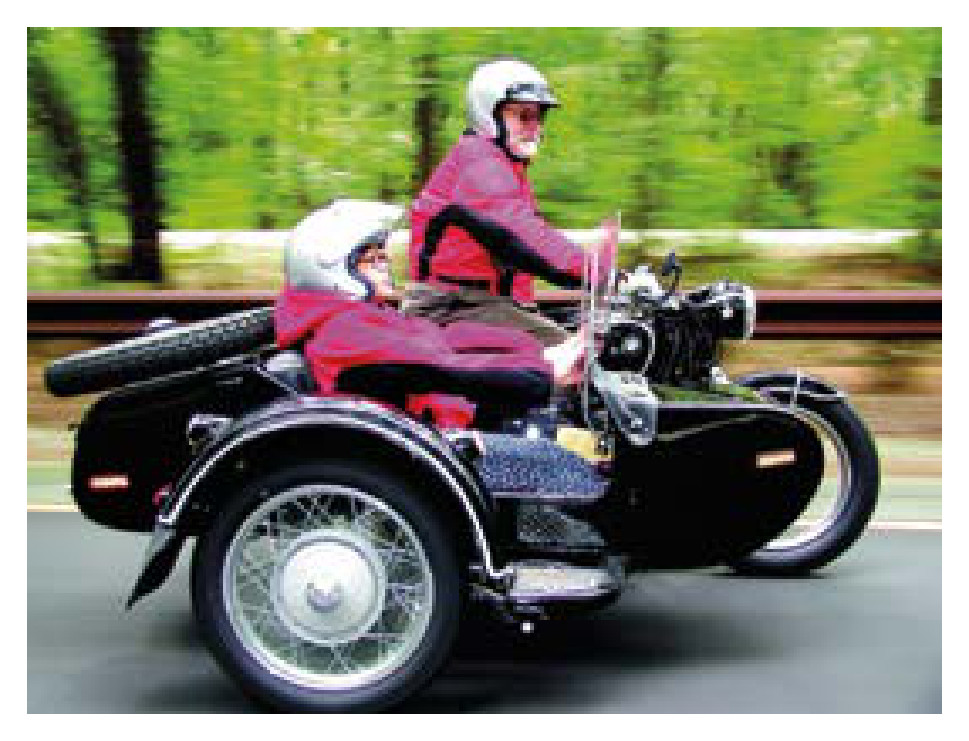 DGTTestO
Vehicle and passenger car
Vehicle: device meant to travel on roads. Passenger car (turismo): ≥4 wheels for people, max 9 seats including the driver.
Figure from the official DGT Easy Read manual + TestO schema · not an exam question
Official theory · Easy Read · Definiciones · §tema-01-vehiculos
 DGTTestO
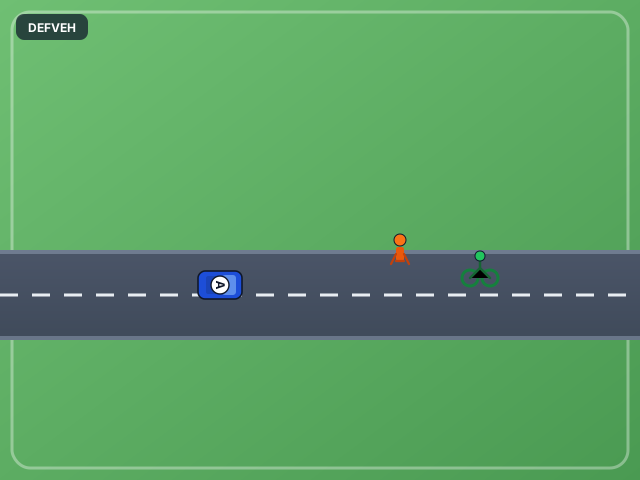
Driver and pedestrian
Driver: anyone guiding a vehicle (including a cycle). Pedestrian: anyone walking; also anyone pushing a cycle or non-motor vehicle without riding it.
Figure from the official DGT Easy Read manual + TestO schema · not an exam question
Official theory · Easy Read · Definiciones · §tema-01-personas
 DGTTestO
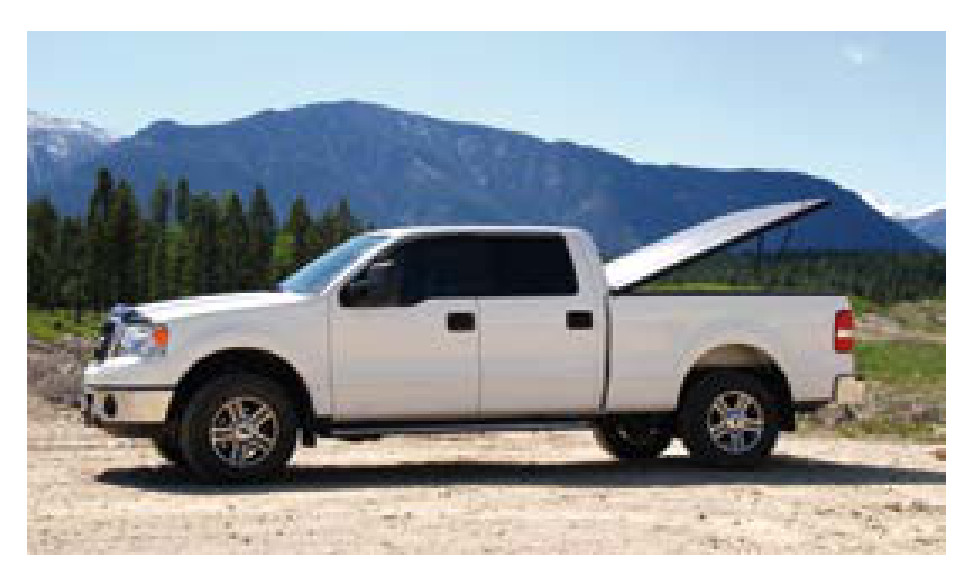
Light trailer
Trailer: wheeled platform hitched to a motor vehicle. Light: max 750 kg with load. Heavy: may exceed 750 kg.
Figure from the official DGT Easy Read manual + TestO schema · not an exam question
Official theory · Easy Read · Definiciones · §tema-01-remolque
 DGTTestO
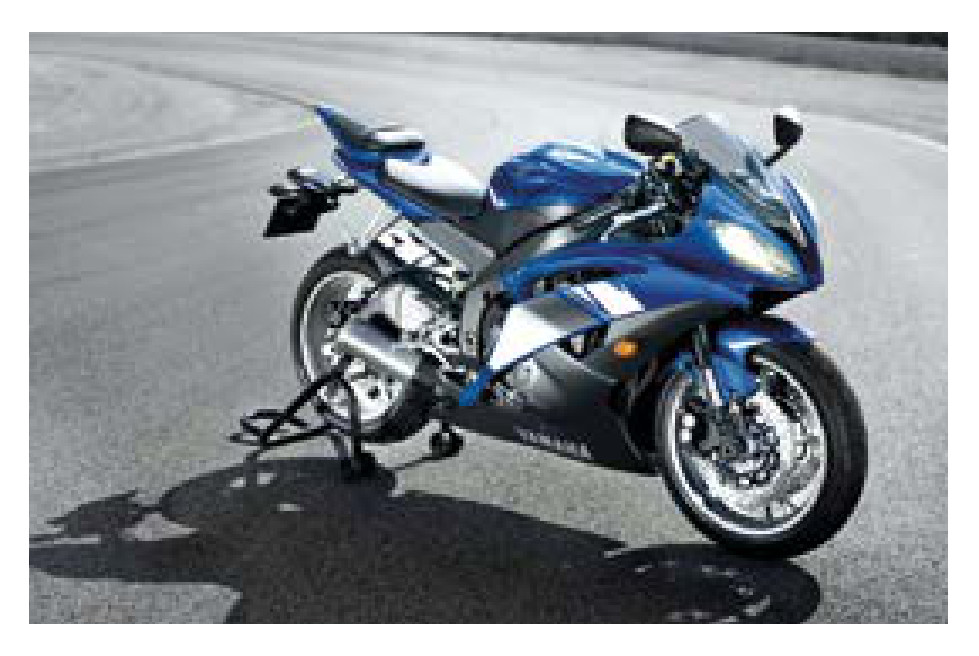
Moped vs motorcycle
Motorcycle: petrol >50 cc or speed >45 km/h. Moped: small engine and ≤45 km/h (below motorcycle thresholds).
Figure from the official DGT Easy Read manual + TestO schema · not an exam question
Official theory · Easy Read · Definiciones · §tema-01-motocicletas
Vulnerable road user (1 Oct 2026)
The RGC now defines a vulnerable road user: pedestrians (especially children, older people and people with disability), cyclists, personal-mobility users and motorcycle/moped riders. They face a higher risk of serious injury.
Official theory · Easy Read · Definiciones · §rgc-518-2026-vulnerable
Papers & points permit4 cards
Practice topic → DGTTestO
4 documents to carry
Always in the vehicle (originals or certified copy): driving licence, registration certificate, ITV card and third-party liability insurance.
- Licence: authorises you to drive.
- Registration: plate and vehicle data.
- ITV: vehicle is technically fit.
- Liability insurance: covers third parties.
Figure from the official DGT Easy Read manual + TestO schema · not an exam question
Official theory · Easy Read · Documentación · §tema-02-documentos
 DGTTestO
Scope of licence B
With B (from age 18): mopeds, cars up to 9 seats, trailer ≤750 kg, and some special vehicles. Heavier trailer → often B+E.
Figure from the official DGT Easy Read manual + TestO schema · not an exam question
Official theory · Easy Read · Documentación · §tema-02-permiso-b
 DGTTestO
Novice L plate and renewing B
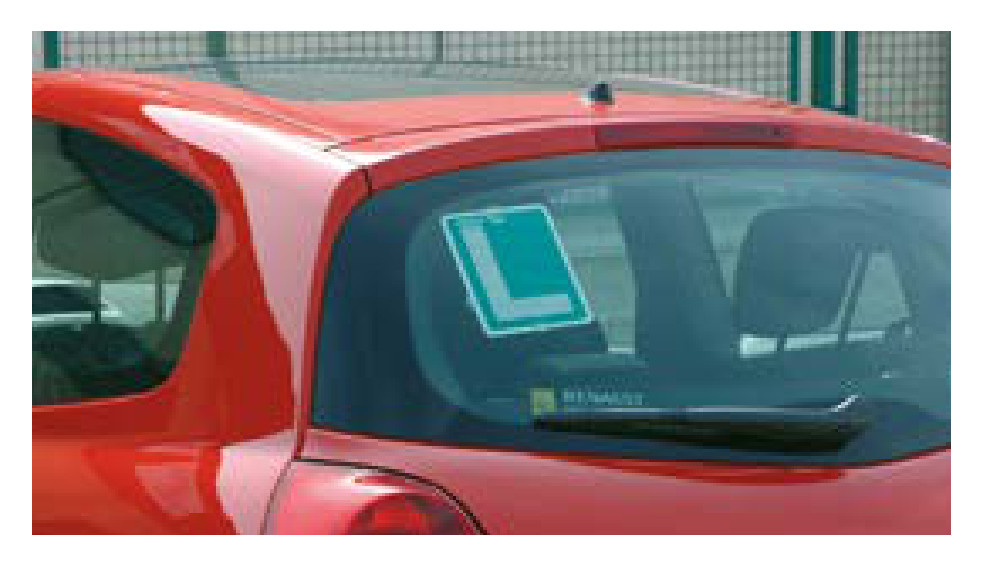
First year: novice with green L plate (white letter) at the rear. Renew B every 10 years (<65) or every 5 years (>65), before it expires.
Figure from the official DGT Easy Read manual + TestO schema · not an exam question
Official theory · Easy Read · Documentación · §tema-02-novel-renovar

Starting points
New licence holders start with 8 points. Keeping them can raise you to 12, then 14, max 15. Serious offences deduct points.
TestO study schema · based on the Easy Read manual
Official theory · Easy Read · Anexo: permiso por puntos · §anexo-puntos


Vehicle lights3 cards
Practice topic →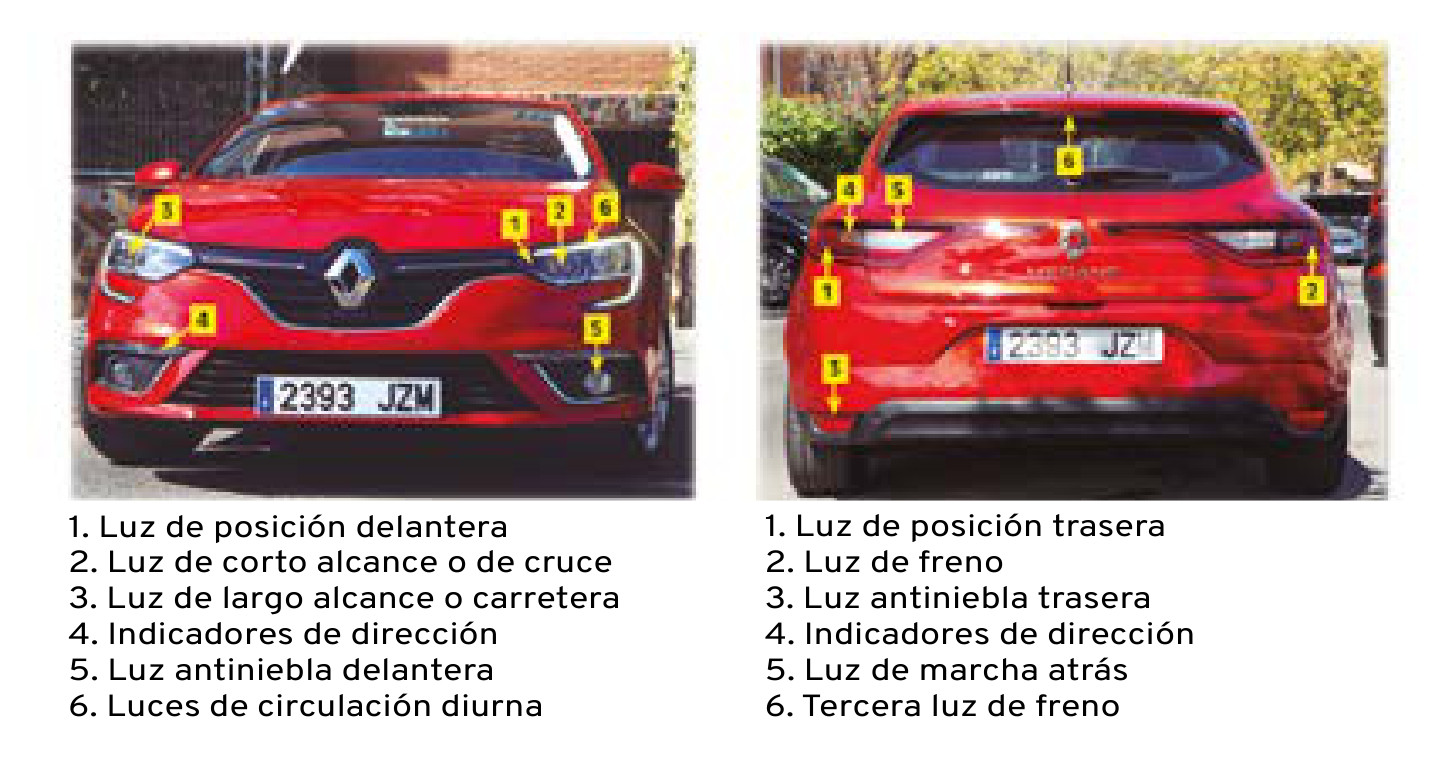 DGTTestO
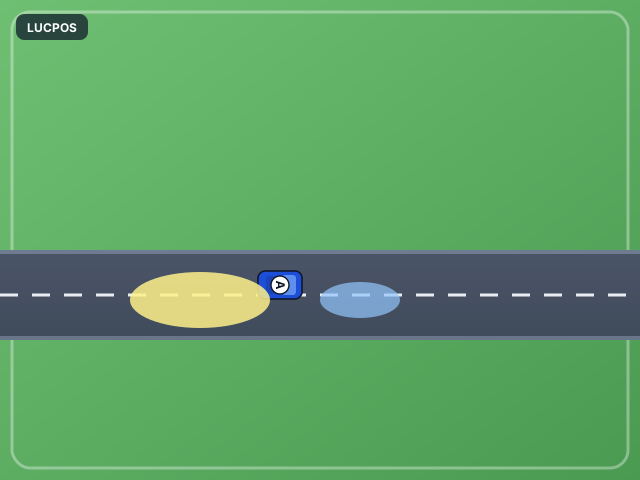
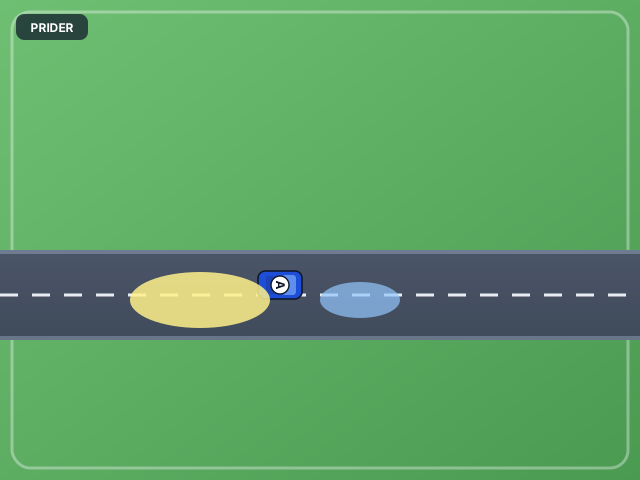
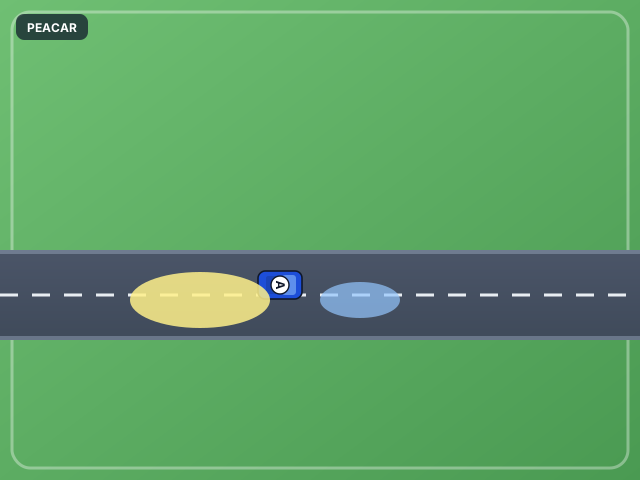
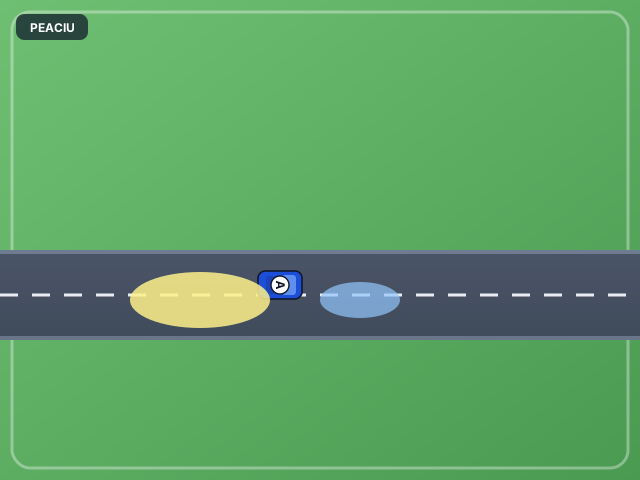
Position lights
Show the vehicle and its width (front white, rear red, side amber). At night, in tunnels or dark days; alone only when stopped.
Figure from the official DGT Easy Read manual + TestO schema · not an exam question
Official theory · Easy Read · Sistema de luces de los vehículos · §tema-07-posicion
 DGTTestO
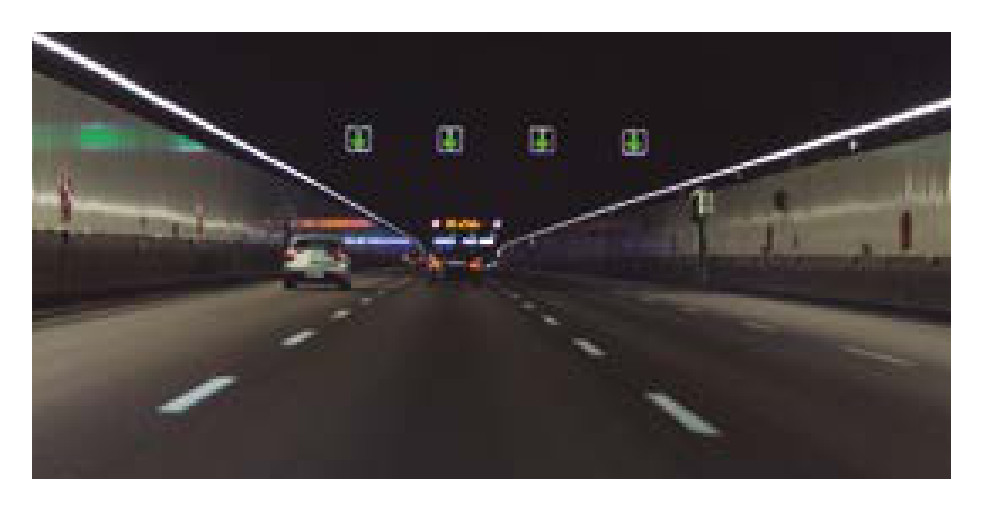
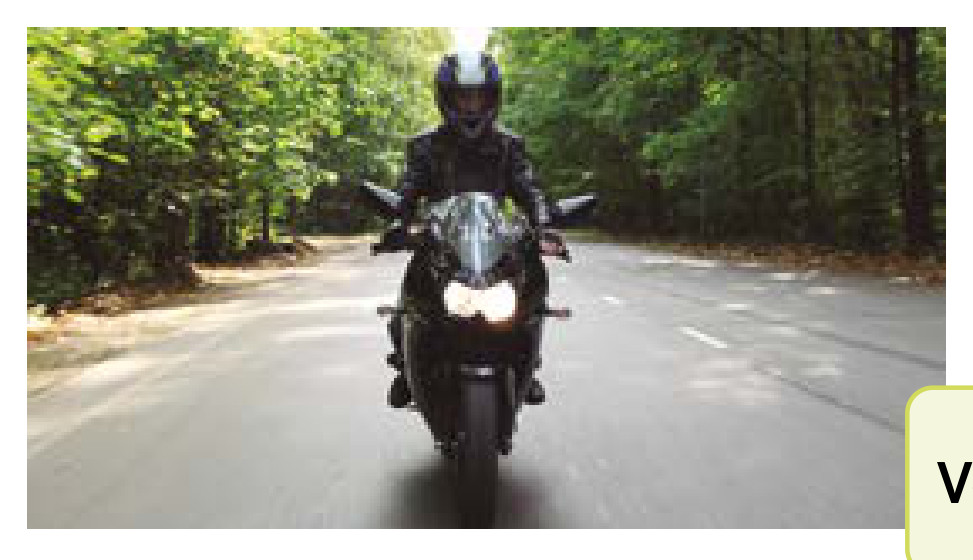
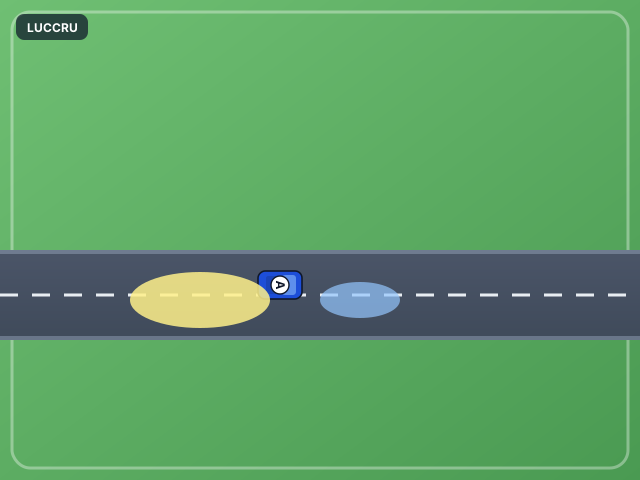
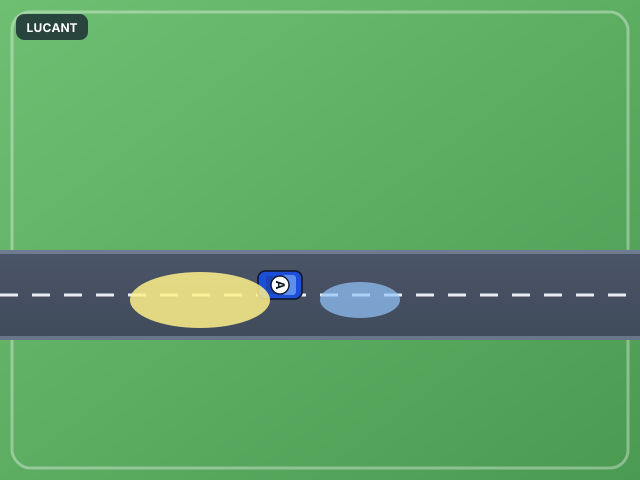
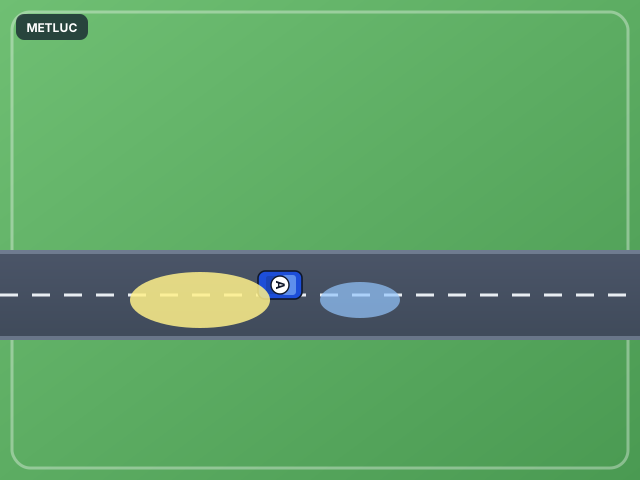
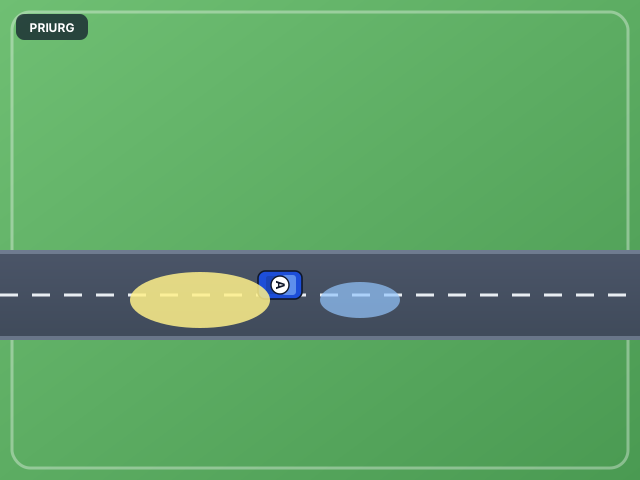
Dipped and main beam
Dipped: lights the road without dazzling; required at night and by day in tunnels/temporary lanes. Main beam: long range outside towns >40 km/h; banned in towns and when stopped; switch to dipped if you may dazzle.
Figure from the official DGT Easy Read manual + TestO schema · not an exam question
Official theory · Easy Read · Sistema de luces de los vehículos · §tema-07-cruce-carretera
 DGTTestO
Fog lights
For fog, snow, heavy rain or smoke. Front (white/yellow) with position lights; rear red only in very poor visibility.
Figure from the official DGT Easy Read manual + TestO schema · not an exam question
Official theory · Easy Read · Sistema de luces de los vehículos · §tema-07-antiniebla
Vertical signs1 cards
Practice topic →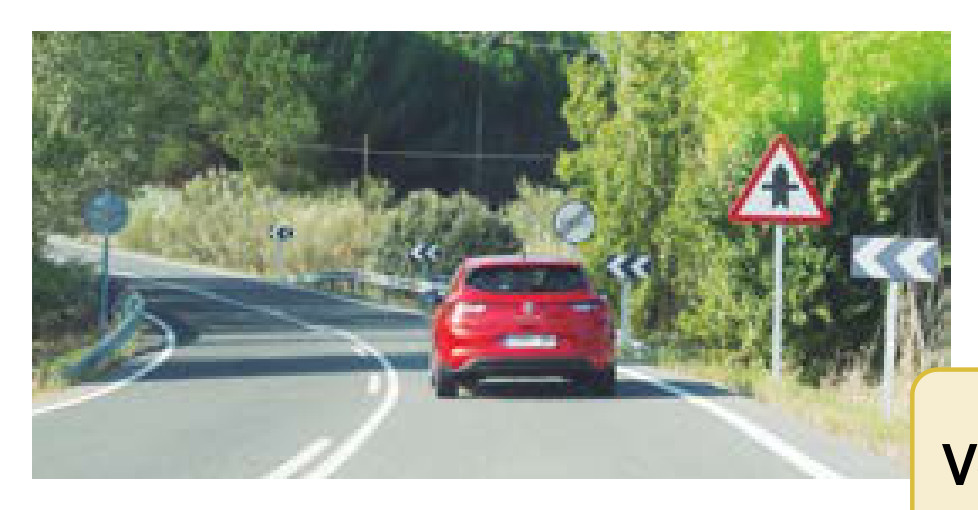 DGTTestO
Types of vertical signs
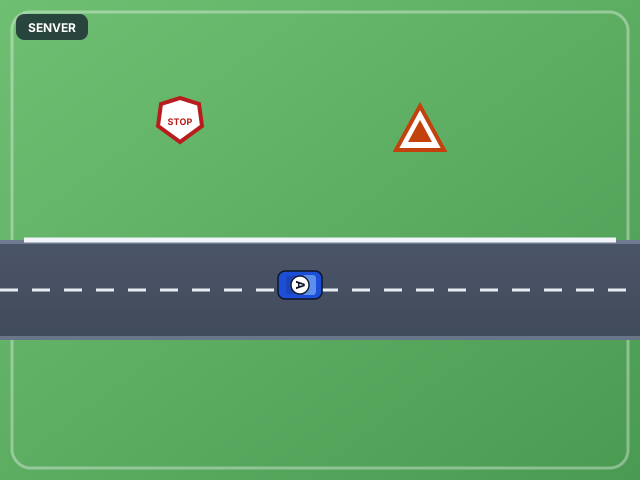
Main classes: danger (warn), priority (who goes), prohibition (do not), obligation (you must) and indication (inform or guide).
- Danger: triangle warning of a nearby risk.
- Priority / prohibition / obligation: regulatory.
- Indication: information, direction or services.
Figure from the official DGT Easy Read manual + TestO schema · not an exam question
Official theory · Easy Read · Señales de circulación · §tema-08-verticales
Road markings1 cards
Practice topic →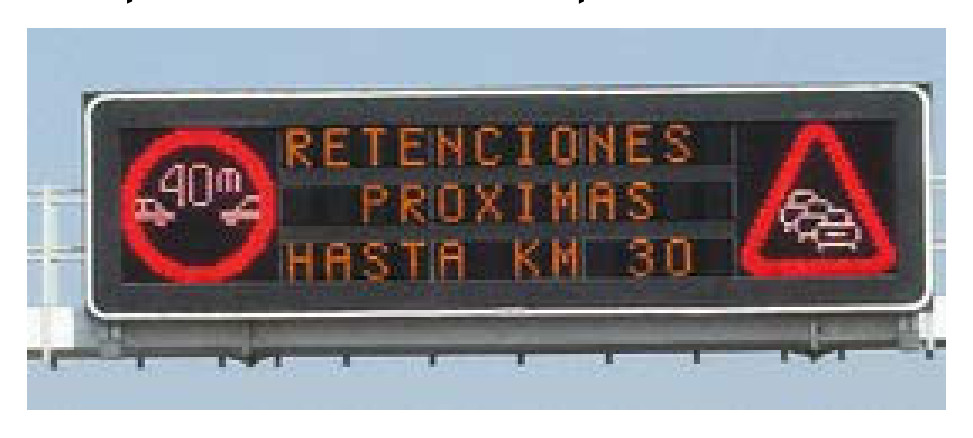 DGTTestO
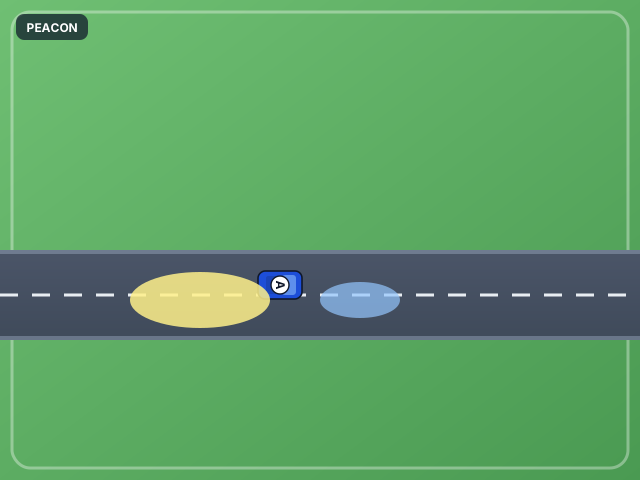
Basic road markings
Painted lines guide and regulate. Solid: do not cross or overtake across it. Broken: may cross with care. Roadworks: temporary yellow markings.
Figure from the official DGT Easy Read manual + TestO schema · not an exam question
Official theory · Easy Read · Señales de circulación · §tema-08-marcas
Traffic lights1 cards
Practice topic →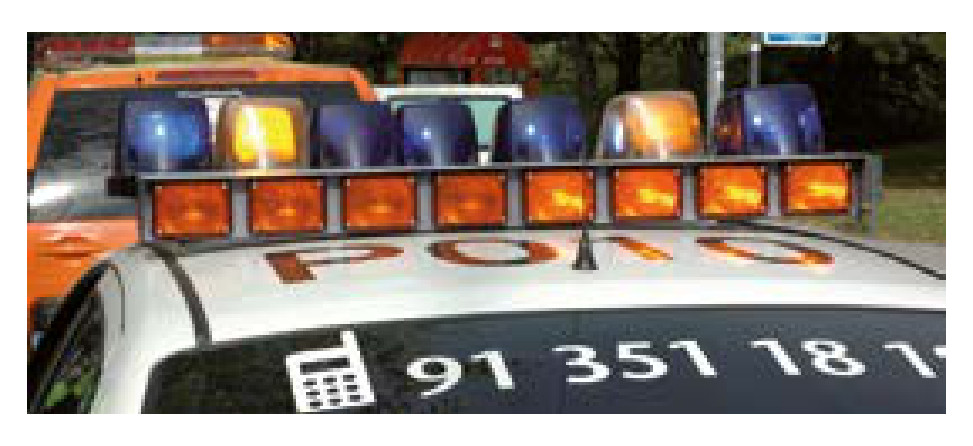 DGTTestO
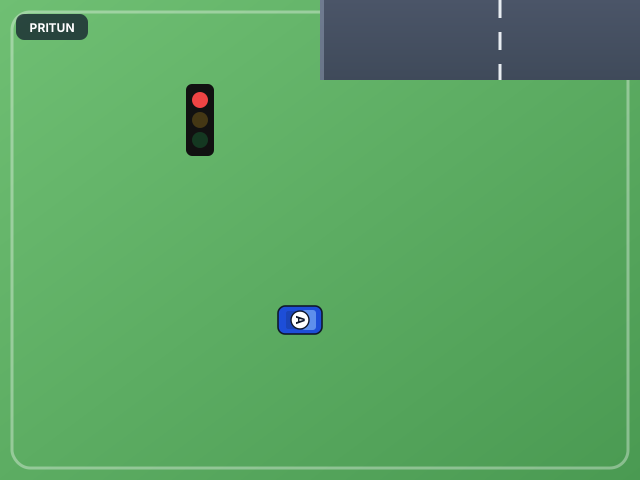
Circular traffic lights
Steady red: stop. Steady amber: like red (unless you cannot stop safely). Green: go with junction priority. Flashing amber: give way to traffic and pedestrians. From 1 Oct 2026, flashing amber for vehicles should not coincide with a steady pedestrian green at the same crossing.
Figure from the official DGT Easy Read manual + TestO schema · not an exam question
Official theory · Easy Read · Señales de circulación · §tema-08-semaforos
Urban driving2 cards
Practice topic →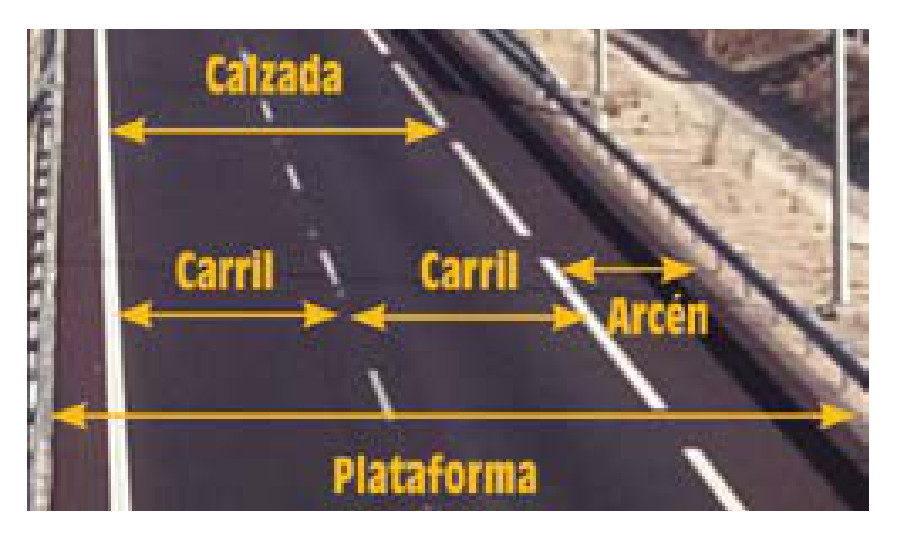 DGTTestO
Parts of the road
Carriageway: where vehicles travel. Shoulder (arcén): strip beside it (usually not for normal driving). Pavement/sidewalk: for pedestrians. Platform = carriageway + shoulder.
Figure from the official DGT Easy Read manual + TestO schema · not an exam question
Official theory · Easy Read · La vía · §tema-09-partes
 DGTTestO
Urban, interurban, through-road
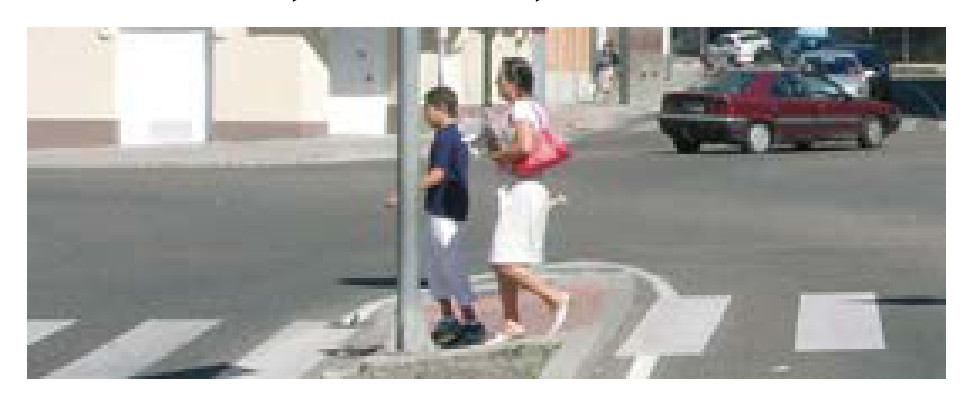
Urban road: inside built-up areas. Interurban: outside. Through-road (travesía): road crossing a town.
Figure from the official DGT Easy Read manual + TestO schema · not an exam question
Official theory · Easy Read · La vía · §tema-09-tipos
Motorways2 cards
Practice topic →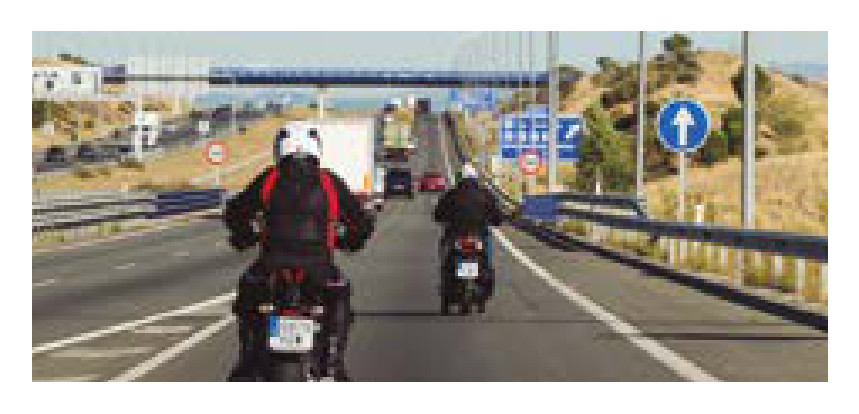 DGTTestO
Motorway vs ordinary road
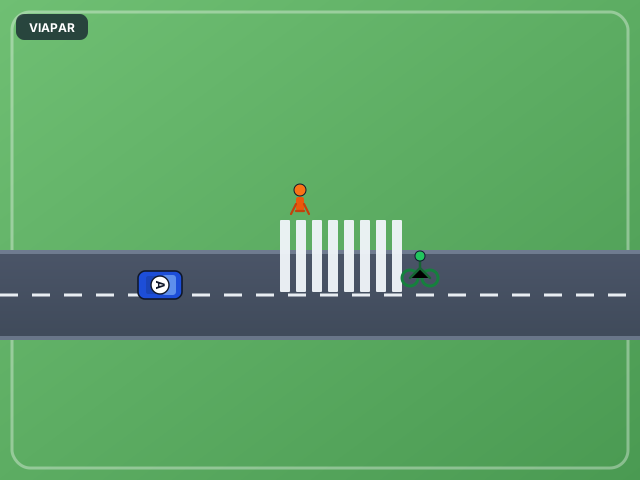
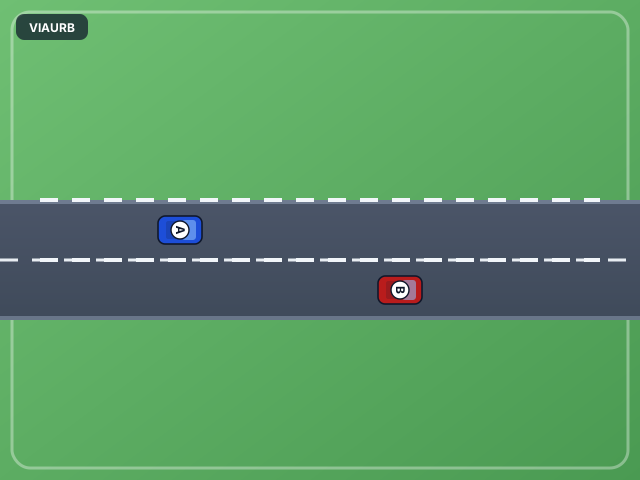
Motorway (autopista): cars only, controlled access, separated carriageways, no level crossings; may be tolled. Autovía: similar but more access and free. Ordinary road: one carriageway, more junctions.
Figure from the official DGT Easy Read manual + TestO schema · not an exam question
Official theory · Easy Read · La vía · §tema-09-autopista
Emergency corridor and snow (1 Oct 2026)
If traffic is crawling or stopped: move aside and open a corridor for emergency vehicles. 2 lanes: both sides, gap in the middle. 3 lanes: leftmost to the left, others to the right. Snow on motorways: no overtaking; keep the left lane free for snowploughs and emergency services.
Official theory · Easy Read · La vía · §rgc-518-2026-emergencia
Overtaking2 cards
Practice topic →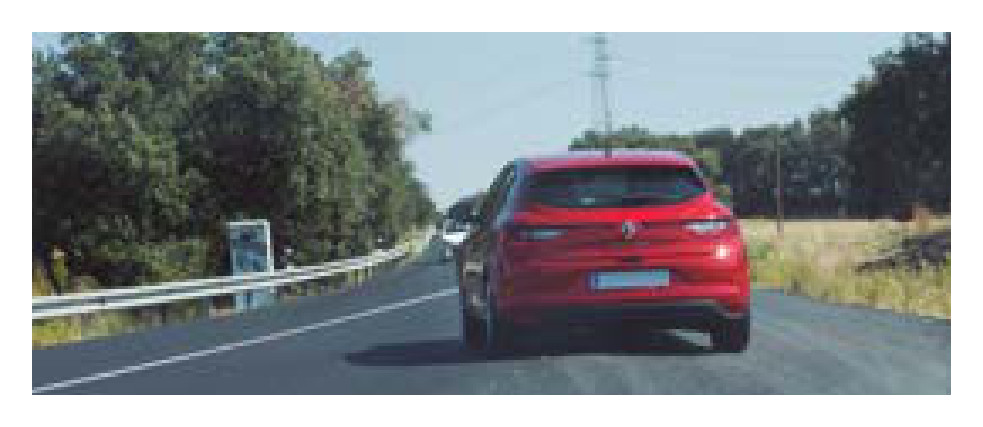 DGTTestO
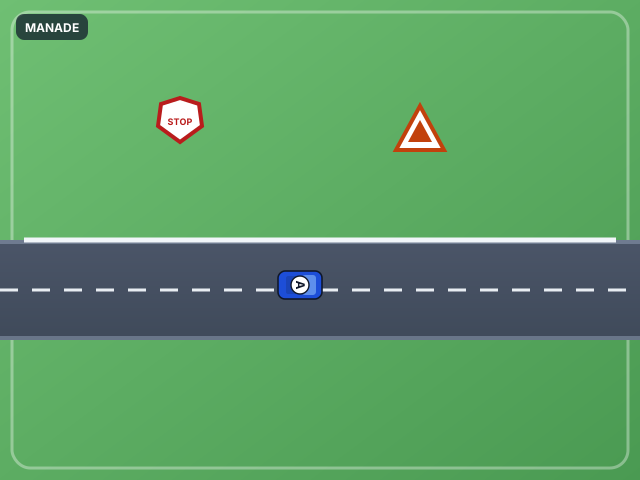
Overtaking
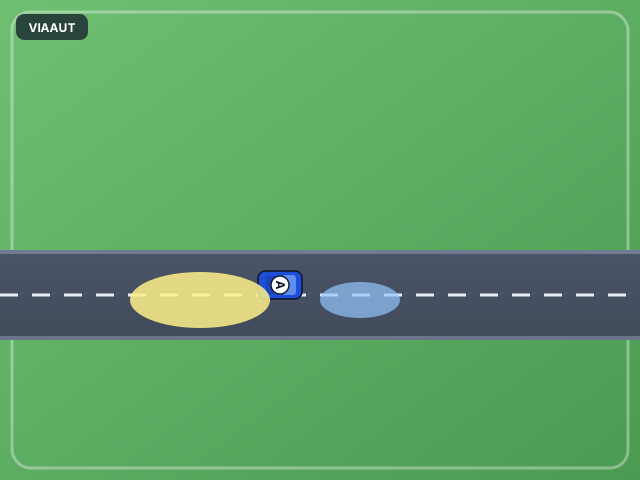
Normally on the left. When overtaking cyclists, e-scooters, pedestrians or mopeds (1 Oct 2026): 1.5 m, full lane change if more than one lane, and −20 km/h vs the limit outside towns. RSM: mirror → signal → manoeuvre.
Figure from the official DGT Easy Read manual + TestO schema · not an exam question
Official theory · Easy Read · Maniobras · §tema-11-adelantar
Overtaking vulnerable users (1 Oct 2026)
When overtaking pedestrians, animals, mopeds, e-scooters or cyclists: 1.5 m gap. With more than one lane per direction, change lane fully. Outside towns, drop at least 20 km/h below the speed limit (do not speed up to finish faster).
- 1.5 m lateral gap.
- Full lane change if more than one lane per direction.
- Outside towns: −20 km/h vs the limit.
Official theory · Easy Read · Maniobras · §rgc-518-2026-adelantar
Stopping & parking1 cards
Practice topic →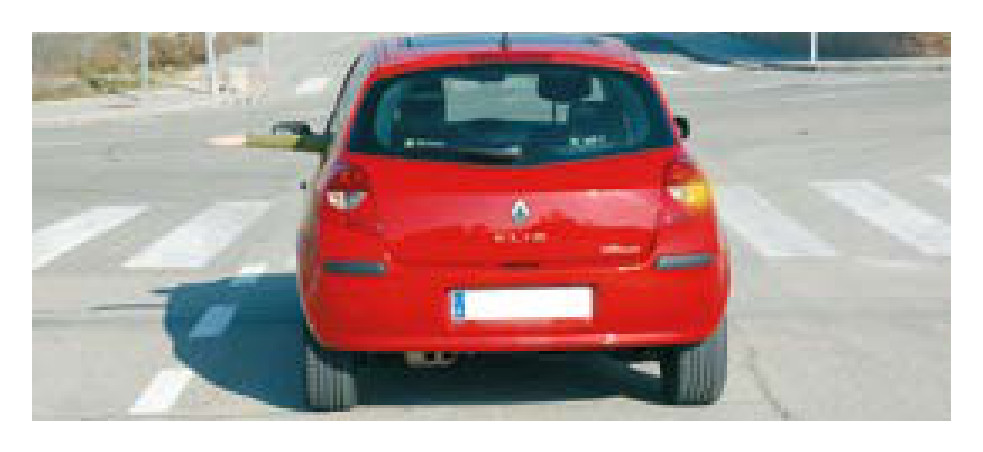 DGTTestO
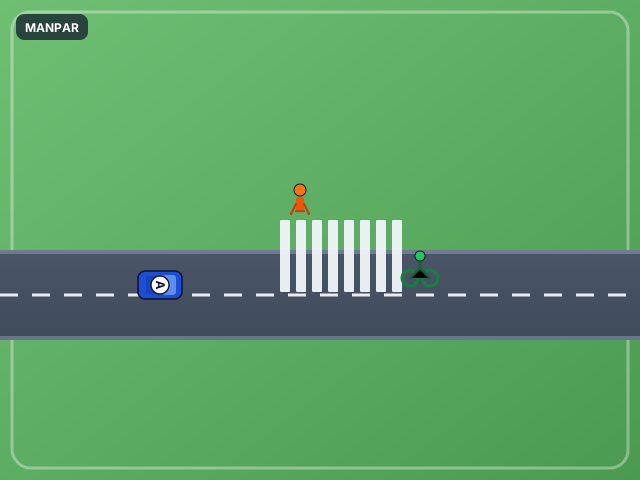
Stopping and parking
Stop: brief, stay with the vehicle. Park: longer. Banned where you obstruct or create danger: junctions, crossings, tunnels, motorway shoulders, double parking, etc.
Figure from the official DGT Easy Read manual + TestO schema · not an exam question
Official theory · Easy Read · Maniobras · §tema-11-parar
Roundabouts1 cards
Practice topic →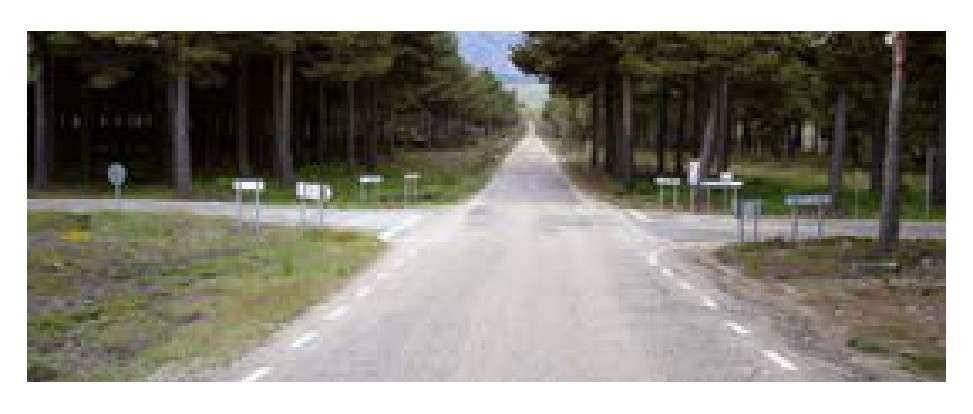 DGTTestO
Entering a roundabout
Roundabout: drive around the centre (do not cut through). On entry, yield to traffic already circulating; signal and choose the right lane.
Figure from the official DGT Easy Read manual + TestO schema · not an exam question
Official theory · Easy Read · La vía · §tema-09-glorieta
Intersections1 cards
Practice topic → DGTTestO
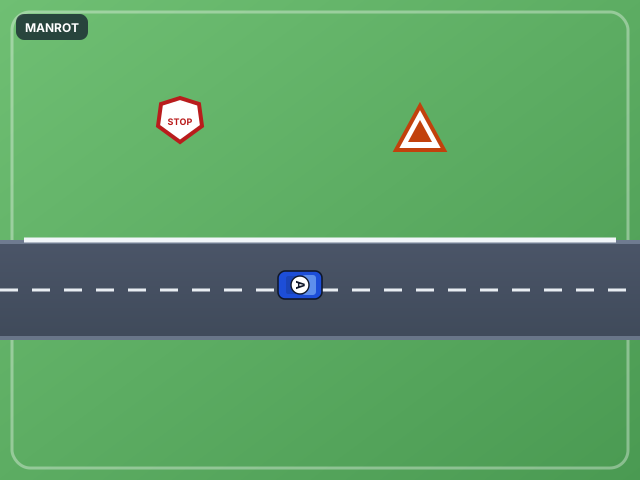
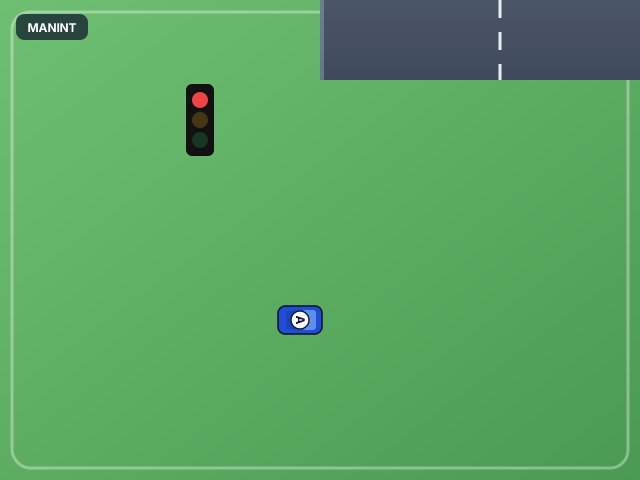
Junctions and RSM
Before turning or changing lane: look (mirrors), signal, then move smoothly. Obey lights/signs; do not cut across traffic already in the lane.
Figure from the official DGT Easy Read manual + TestO schema · not an exam question
Official theory · Easy Read · Maniobras · §tema-11-rsm
People, load & trailer4 cards
Practice topic →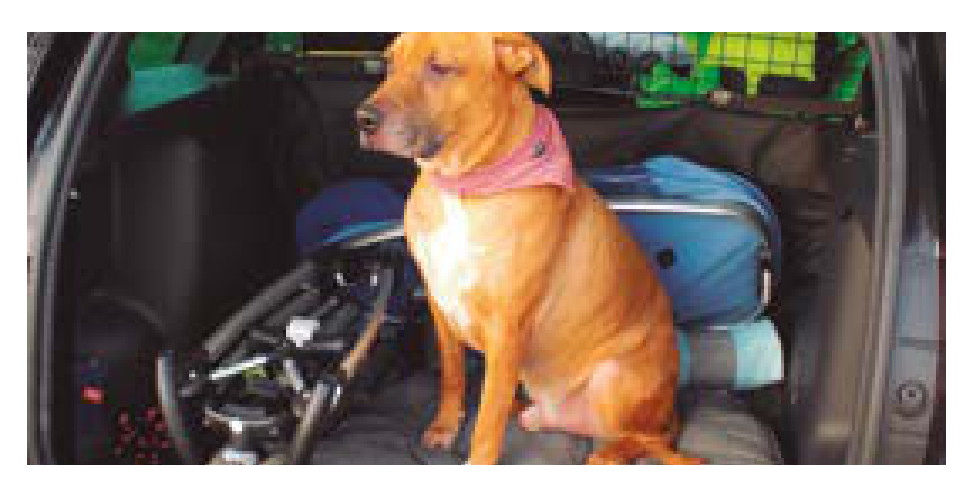 DGTTestO
Occupants and seats
Do not carry more people than seats. Each occupant stays seated; board/alight when stopped, toward the pavement or shoulder.
Figure from the official DGT Easy Read manual + TestO schema · not an exam question
Official theory · Easy Read · Transportar personas y cargas · §tema-13-personas
 DGTTestO
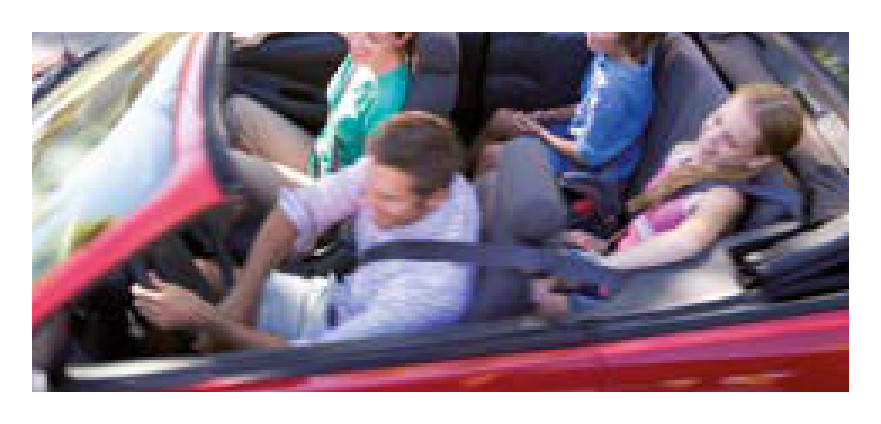
Child restraints
Children must use a restraint suited to height/weight (or belt when allowed). Missing child restraints costs points.
Figure from the official DGT Easy Read manual + TestO schema · not an exam question
Official theory · Easy Read · Transportar personas y cargas · §tema-13-retencion
 DGTTestO
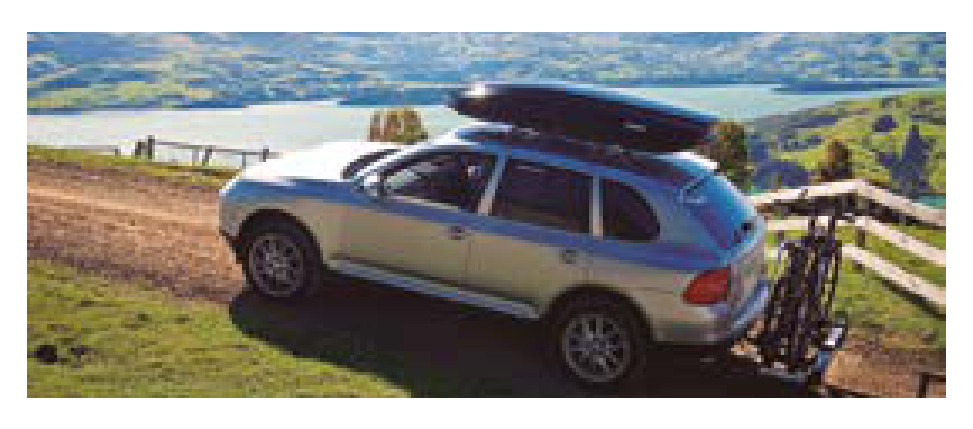
Safe load
Secure and balance the load. It must not move, fall, drag, hide lights/signals or make noise/dust. Respect the vehicle’s max weight.
Figure from the official DGT Easy Read manual + TestO schema · not an exam question
Official theory · Easy Read · Transportar personas y cargas · §tema-13-carga
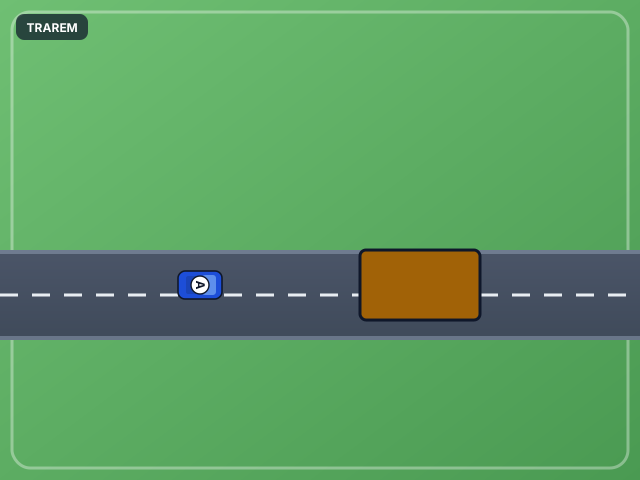
Trailer with licence B
With B you may tow a trailer ≤750 kg (with load). Heavier trailers usually need B+E.
TestO study schema · based on the Easy Read manual
Official theory · Easy Read · Documentación · §tema-02-permiso-b
Weather conditions3 cards
Practice topic →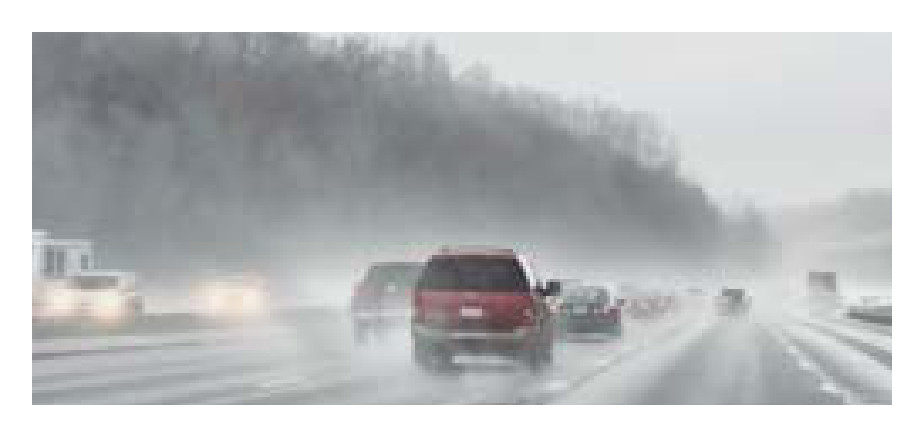 DGTTestO
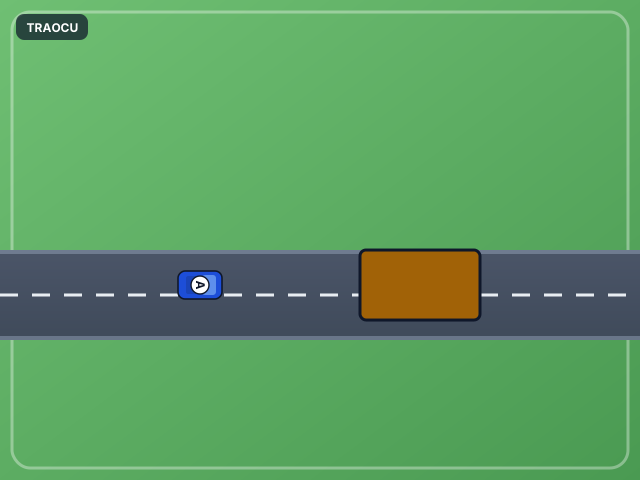
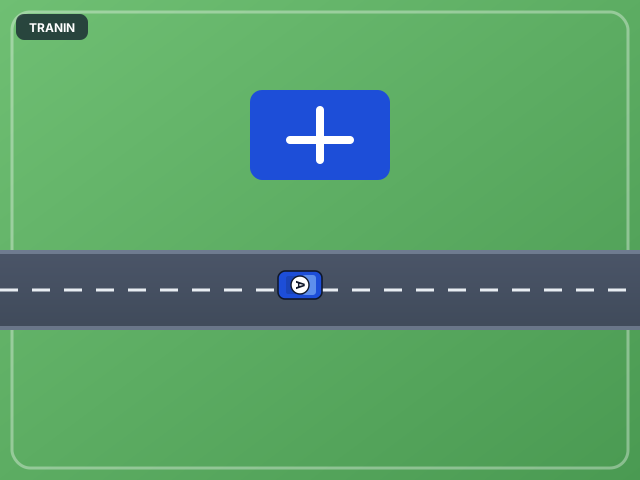
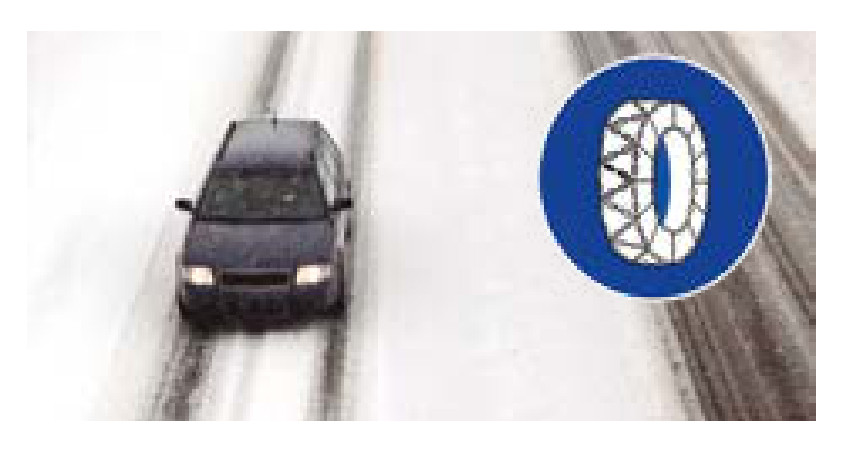
Adapt your speed
In rain, fog, snow or ice, slow down and increase following distance. On motorways when snow hinders traffic (1 Oct 2026): no overtaking; keep the left lane free for snowploughs and emergency vehicles.
Figure from the official DGT Easy Read manual + TestO schema · not an exam question
Official theory · Easy Read · Conducir de forma segura · §tema-14-clima
- DGTTestO
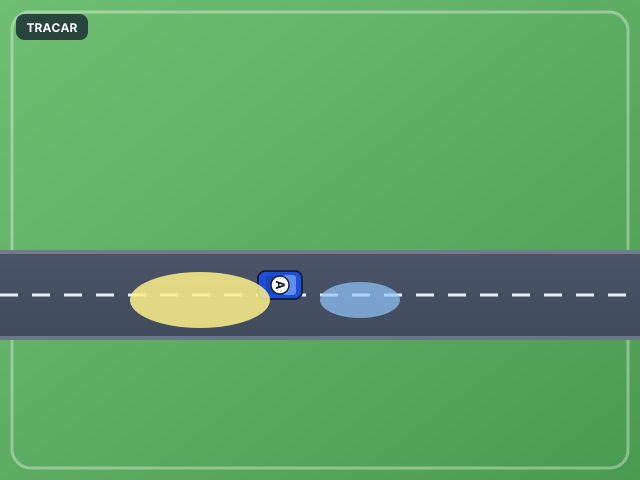
Lights in fog or rain
Fog, snow, heavy rain or smoke: front fog with position lights; rear fog only in very poor visibility. Use dipped/main beam as needed without dazzling.
Figure from the official DGT Easy Read manual + TestO schema · not an exam question
Official theory · Easy Read · Sistema de luces de los vehículos · §tema-07-antiniebla
 DGTTestO
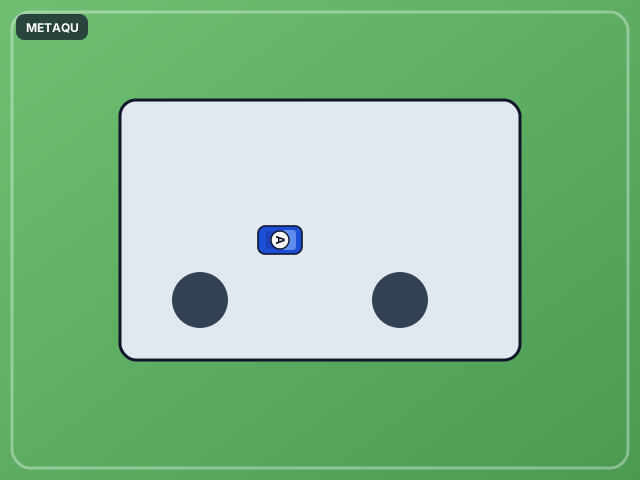
Water and loss of grip
Puddles and standing water can make tyres skate. If they slide: ease off the accelerator, don’t brake hard. First raindrops + dust/grease = high risk. Keep tyres and wipers sound.
Figure from the official DGT Easy Read manual + TestO schema · not an exam question
Official theory · Easy Read · Conducir de forma segura · §tema-14-lluvia
Mechanics & maintenance3 cards
Practice topic →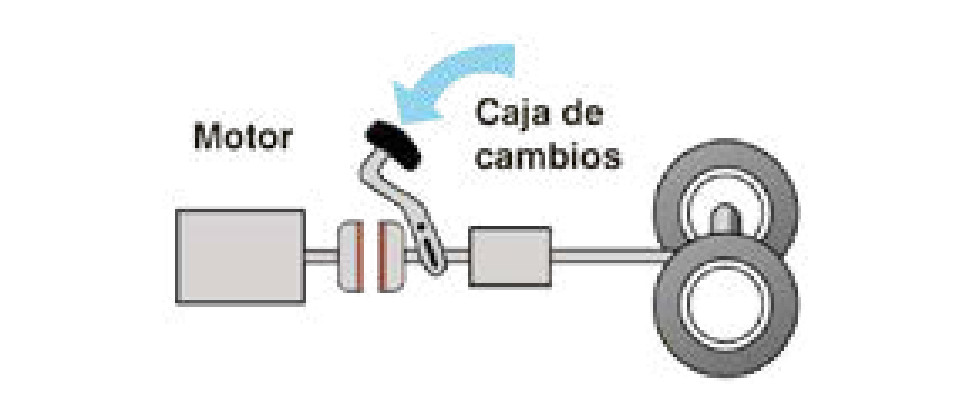 DGTTestO
Brakes
Brake pedal (right foot): slows or stops; press gently. Handbrake: holds the vehicle (rear wheels). After a puddle, check brakes work.
Figure from the official DGT Easy Read manual + TestO schema · not an exam question
Official theory · Easy Read · Elementos del vehículo y normas para usarlos · §tema-06-freno
 DGTTestO
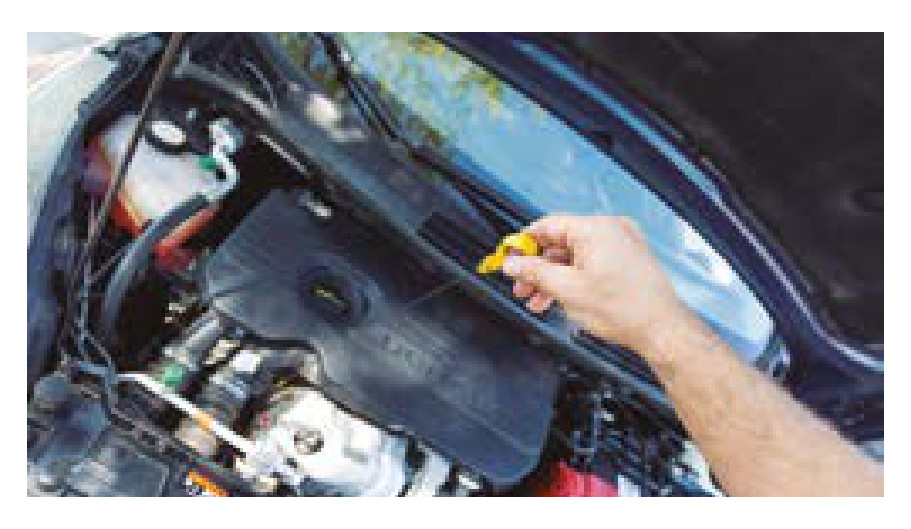
Oil and coolant
Oil: level between min/max with engine off and cold; if the warning light is on, stop. Coolant: between marks when cold. Change oil/filter per service schedule.
Figure from the official DGT Easy Read manual + TestO schema · not an exam question
Official theory · Easy Read · Mecánica y mantenimiento del vehículo · §tema-15-aceite-refrigerante
 DGTTestO
Tyres
Check pressure, tread and damage. Poor tyres = less grip (rain, bends) and longer stopping distances. Overload or uneven wear also harm the vehicle.
Figure from the official DGT Easy Read manual + TestO schema · not an exam question
Official theory · Easy Read · Mecánica y mantenimiento del vehículo · §tema-15-neumaticos
Eco driving3 cards
Practice topic →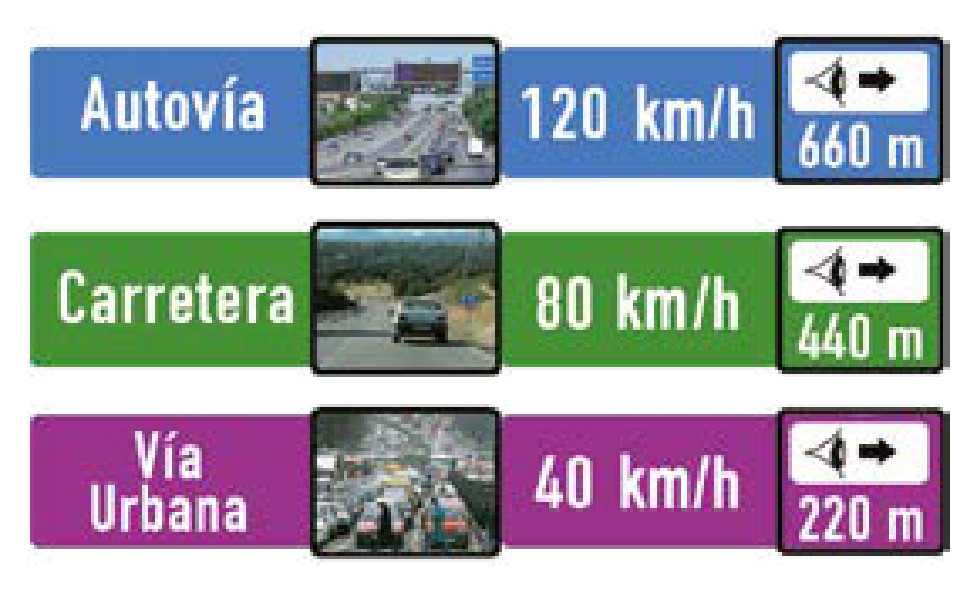 DGTTestO
Anticipate
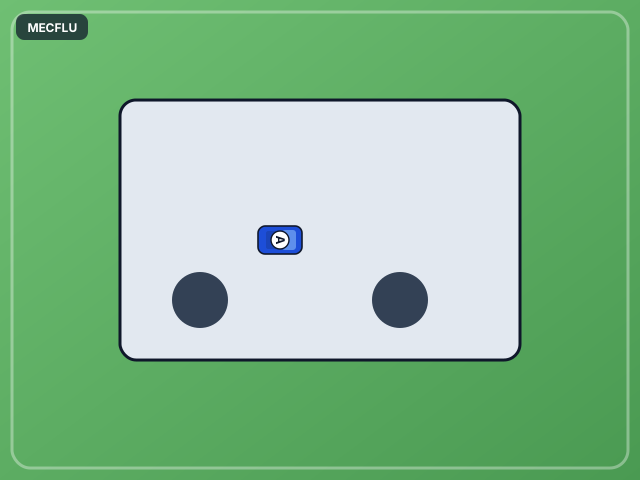
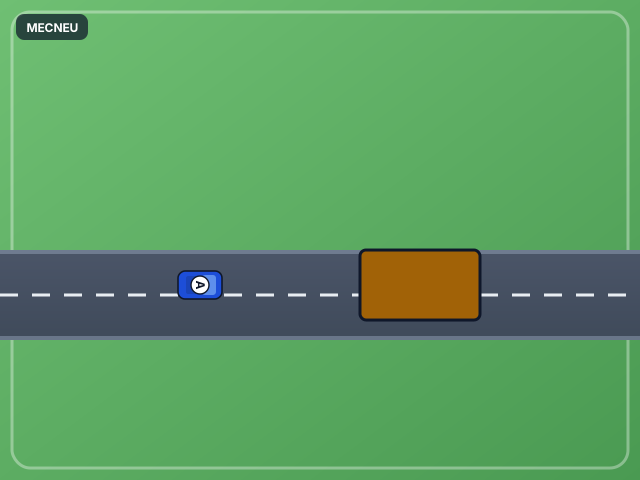
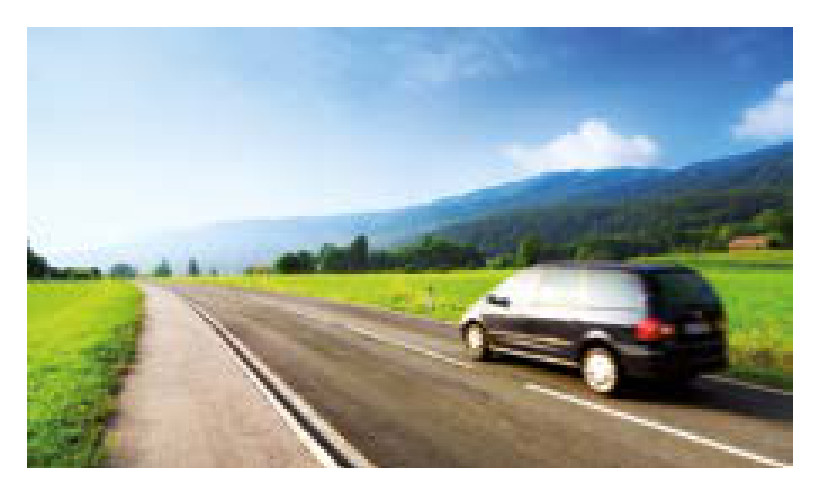
Look far ahead (~20 s of travel), foresee others’ moves and adapt speed. Anticipation avoids harsh braking/accel — safer and uses less fuel.
Figure from the official DGT Easy Read manual + TestO schema · not an exam question
Official theory · Easy Read · Conducción preventiva y eficiente · §tema-17-anticipacion
 DGTTestO
Gears and acceleration
Upshift early (low revs). Avoid harsh acceleration and high revs — they burn more fuel and pollute more.
Figure from the official DGT Easy Read manual + TestO schema · not an exam question
Official theory · Easy Read · Conducción preventiva y eficiente · §tema-17-eficiente
 DGTTestO
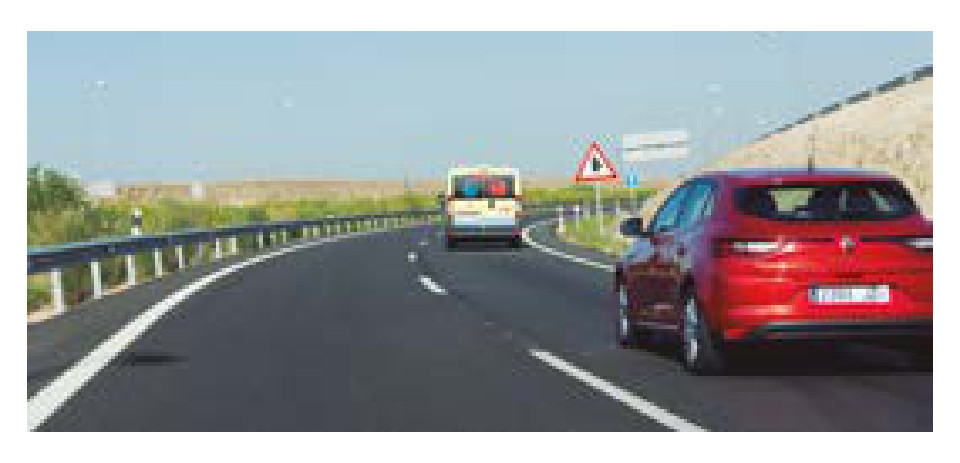
Safe following distance
Keep 2–3 seconds behind (more in rain, fog or at night). Enough gap means fewer hard brakes and more efficient driving.
Figure from the official DGT Easy Read manual + TestO schema · not an exam question
Official theory · Easy Read · Conducción preventiva y eficiente · §tema-17-espacio
Accidents & first aid3 cards
Practice topic →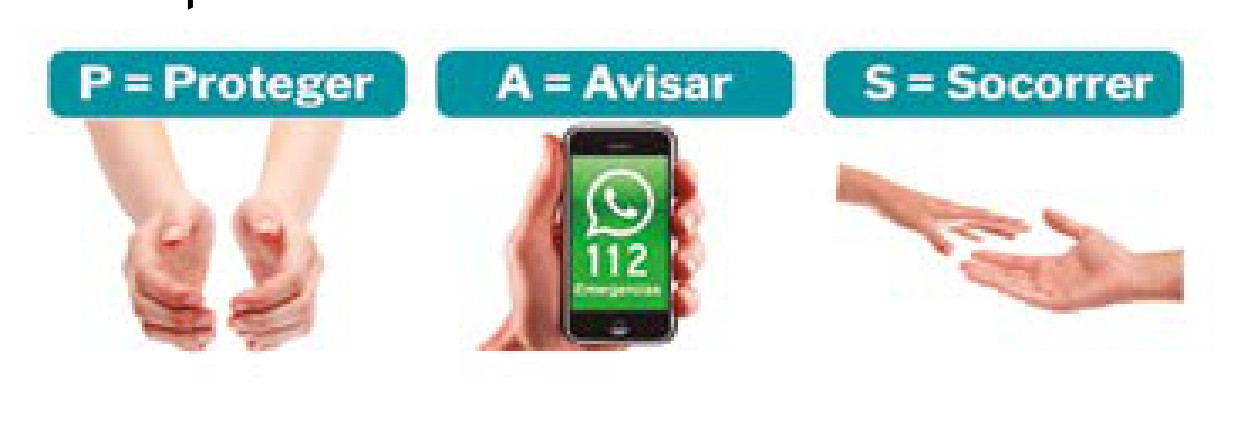 DGTTestO
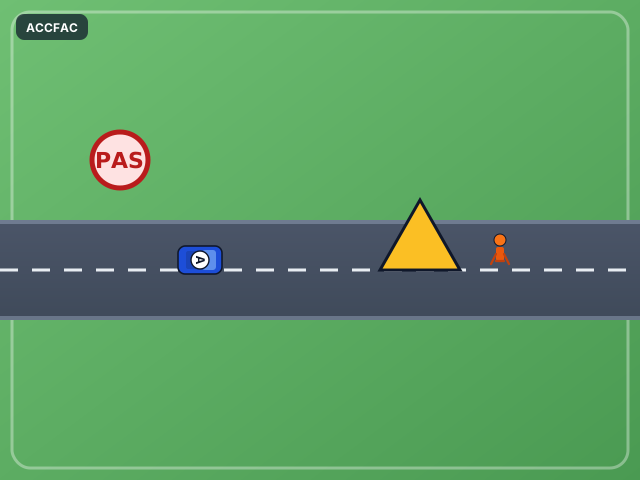
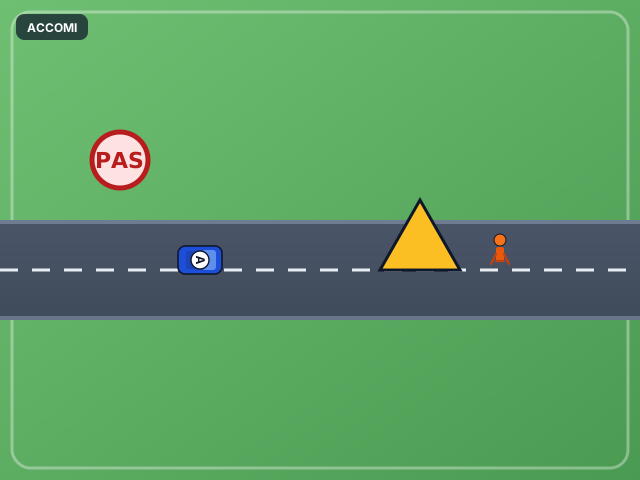
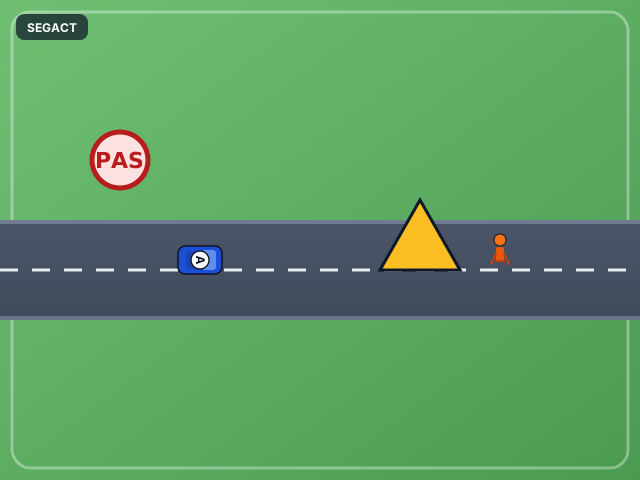
PAS rule
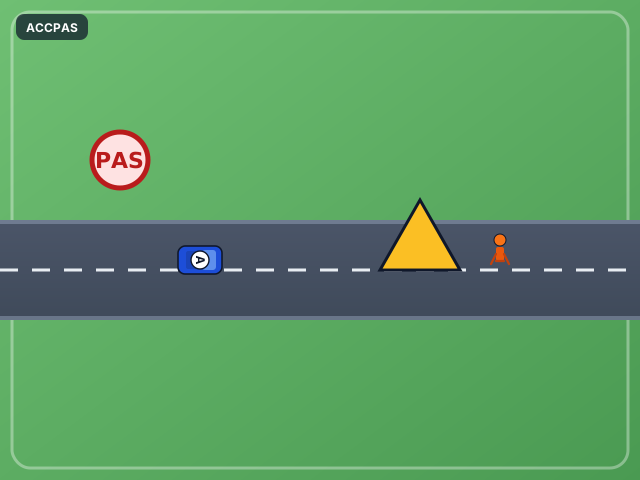
At a crash: Protect → Alert → Help. Good action in the first 10 minutes saves lives and prevents a second crash.
- Protect: vest before exiting, hazards on, mark the scene, handbrake, no smoking.
- Alert: call 112 with clear facts (place, injured, fire).
- Help: only if safe; don’t move the neck without need.
Figure from the official DGT Easy Read manual + TestO schema · not an exam question
Official theory · Easy Read · Accidentes de tráfico · §tema-16-pas
 DGTTestO
Risk factors
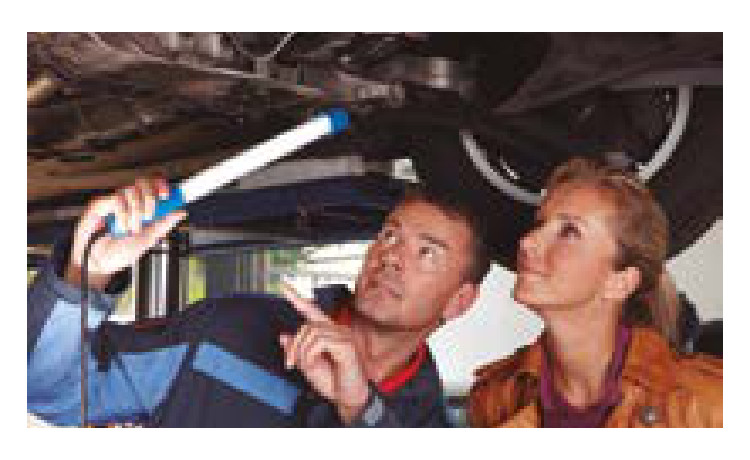
The human factor (speed, alcohol, distraction) is involved in most crashes. Road and vehicle matter too, but driver behaviour is key.
Figure from the official DGT Easy Read manual + TestO schema · not an exam question
Official theory · Easy Read · Accidentes de tráfico · §tema-16-factores
 DGTTestO
Failure to assist
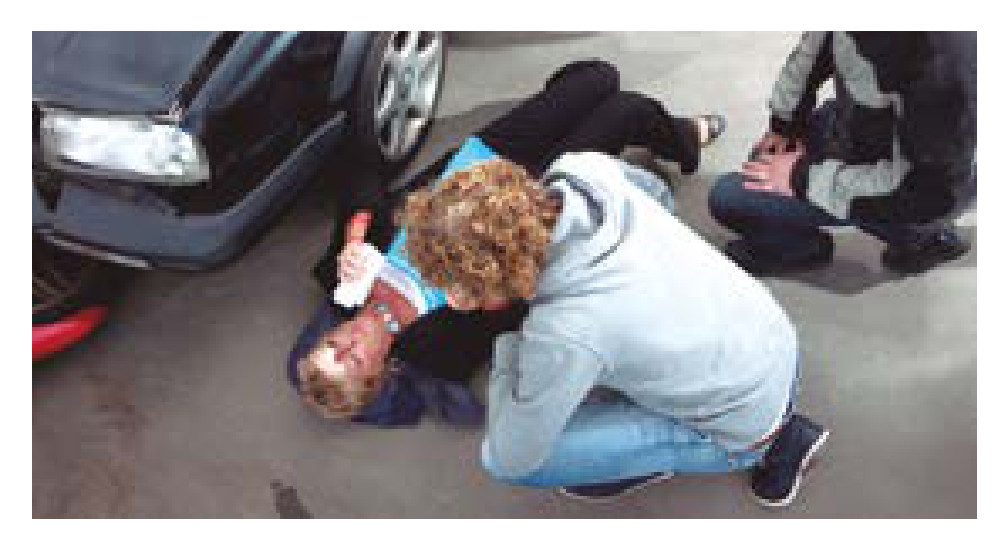
Not helping when you safely can, not alerting, or fleeing after causing a crash is a crime (failure to assist).
Figure from the official DGT Easy Read manual + TestO schema · not an exam question
Official theory · Easy Read · Accidentes de tráfico · §tema-16-omision
Alcohol, fatigue & distraction3 cards
Practice topic →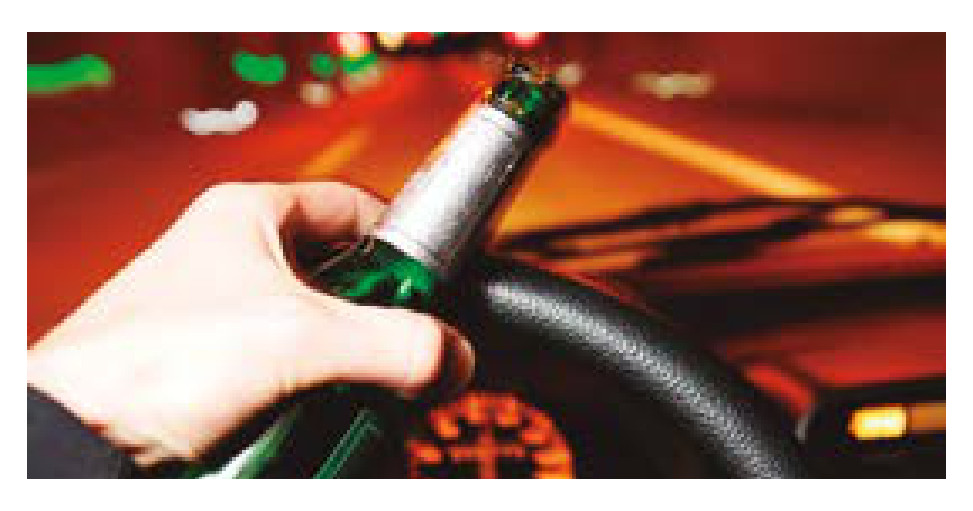 DGTTestO
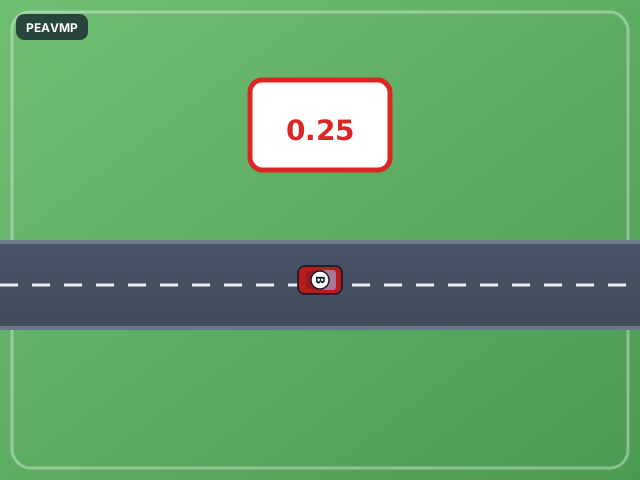
Blood/breath alcohol limits
Novices (<2 years) and special drivers: 0.15 mg/l breath · 0.3 g/l blood. Others: 0.25 · 0.5. Only safe rate: 0.0.
- Special: goods >3500 kg, >9 seats, minors, emergency, dangerous goods.
- Peak often ~1 hour after drinking.
- Sleep does not clear alcohol quickly.
Figure from the official DGT Easy Read manual + TestO schema · not an exam question
Official theory · Easy Read · El estado del conductor · §tema-03-alcohol
 DGTTestO
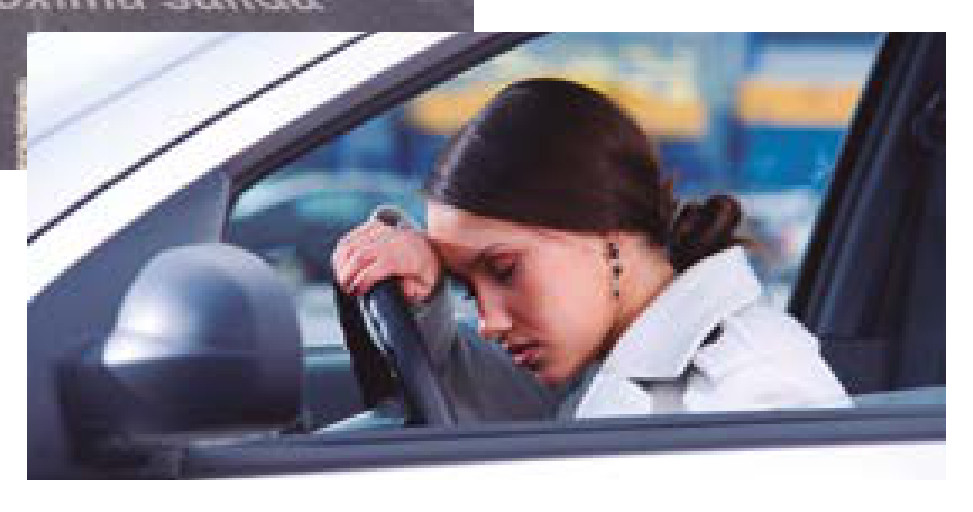
Fatigue and drowsiness
Stop at the first symptoms. Rest 20–30 min every 2 h or 200 km. Ideal cabin ≈ 23 °C.
Figure from the official DGT Easy Read manual + TestO schema · not an exam question
Official theory · Easy Read · El estado del conductor · §tema-03-fatiga
 DGTTestO
Reaction time
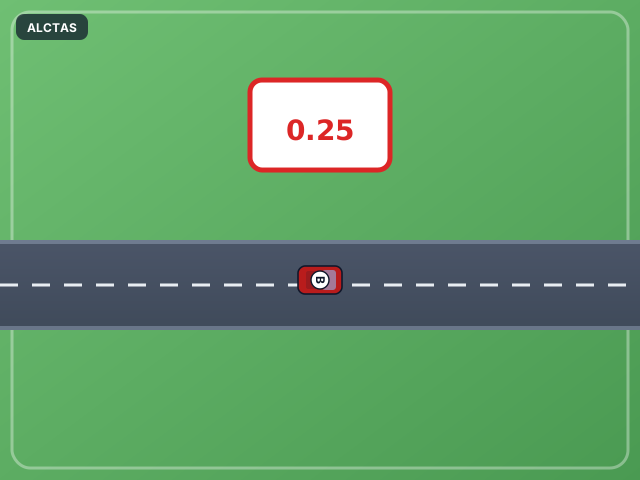
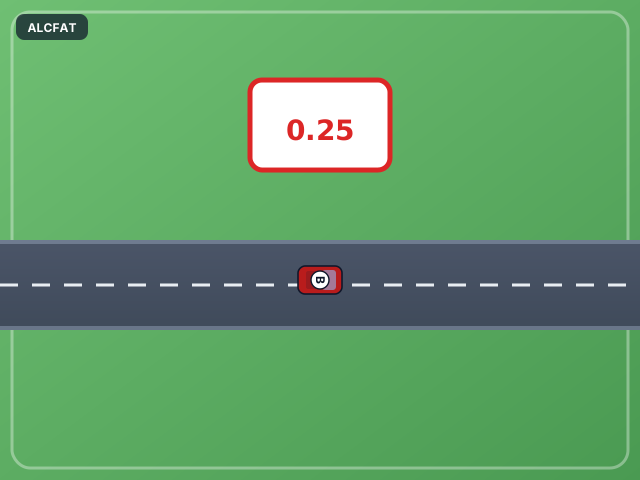
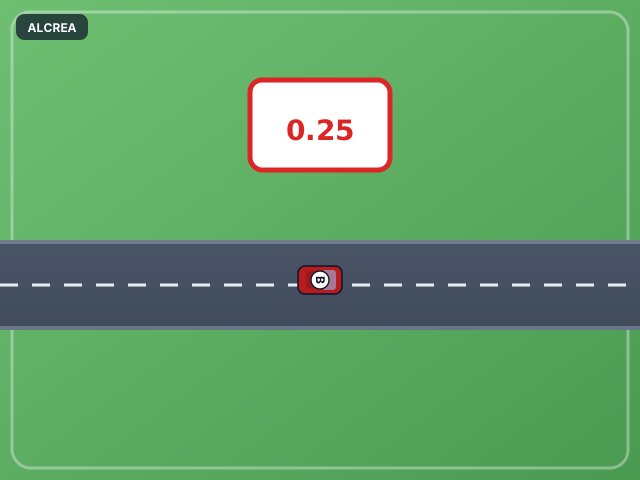
Normally 0.5–1 s. Alcohol, fatigue, medicines and distraction lengthen it.
Figure from the official DGT Easy Read manual + TestO schema · not an exam question
Official theory · Easy Read · El estado del conductor · §tema-03-reaccion
Right of way4 cards
Practice topic →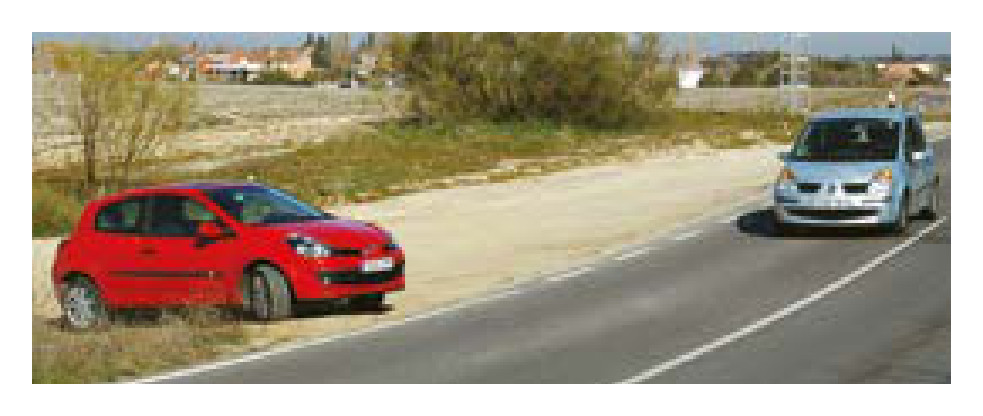 DGTTestO
Unsigned junction
Give way to traffic from the right. Exceptions: rail vehicles, paved vs unpaved, already in a roundabout or on a motorway.
Figure from the official DGT Easy Read manual + TestO schema · not an exam question
Official theory · Easy Read · Normas de preferencia para circular · §tema-12-cruces
 DGTTestO
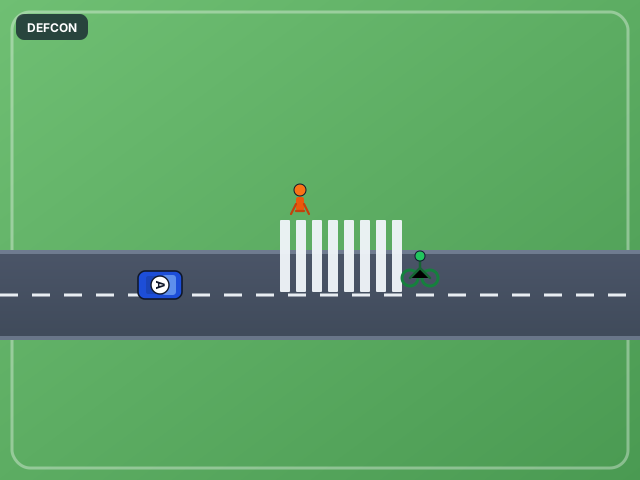
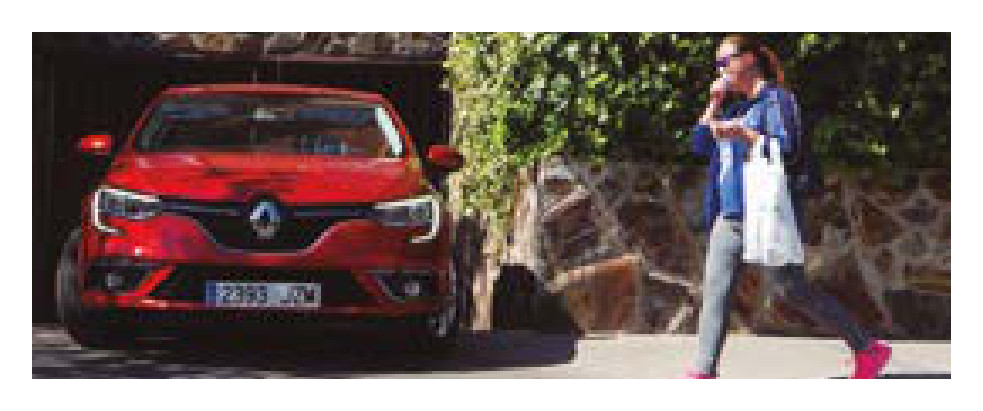
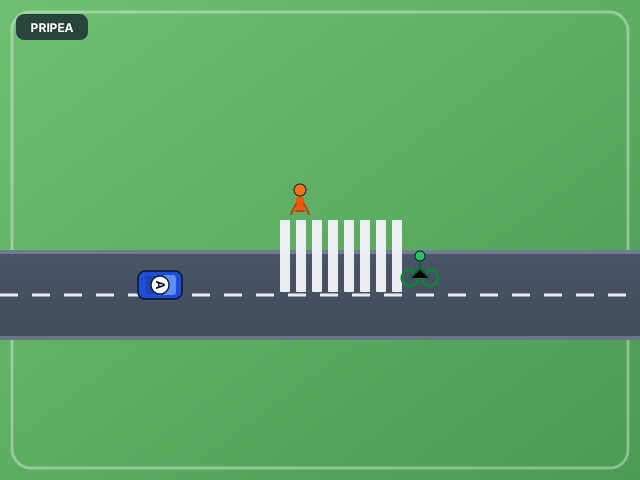
Pedestrian priority
Pedestrians have priority at crossings, pavements and pedestrian zones; when you turn across them; on a shoulder without a pavement; leaving a garage across a walkway.
Figure from the official DGT Easy Read manual + TestO schema · not an exam question
Official theory · Easy Read · Normas de preferencia para circular · §tema-12-peatones
 DGTTestO
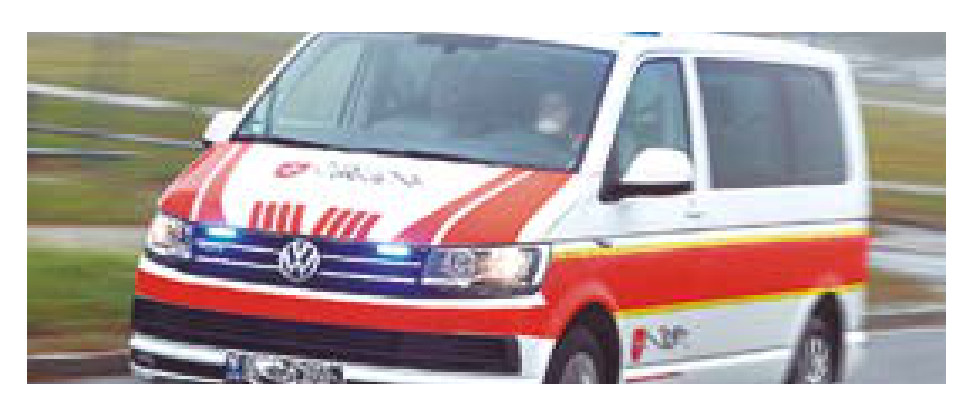
Emergency vehicles
With siren and lights on urgent duty they have priority. Move right and stop if needed. Pedestrians clear the carriageway.
Figure from the official DGT Easy Read manual + TestO schema · not an exam question
Official theory · Easy Read · Normas de preferencia para circular · §tema-12-urgencias
 DGTTestO
Tunnel spacing
At least 100 m (or 4 s) ahead; if MMA > 3500 kg: 150 m (or 6 s). Don’t enter on a red tunnel light.
Figure from the official DGT Easy Read manual + TestO schema · not an exam question
Official theory · Easy Read · Normas de preferencia para circular · §tema-12-tuneles
Speed limits3 cards
Practice topic →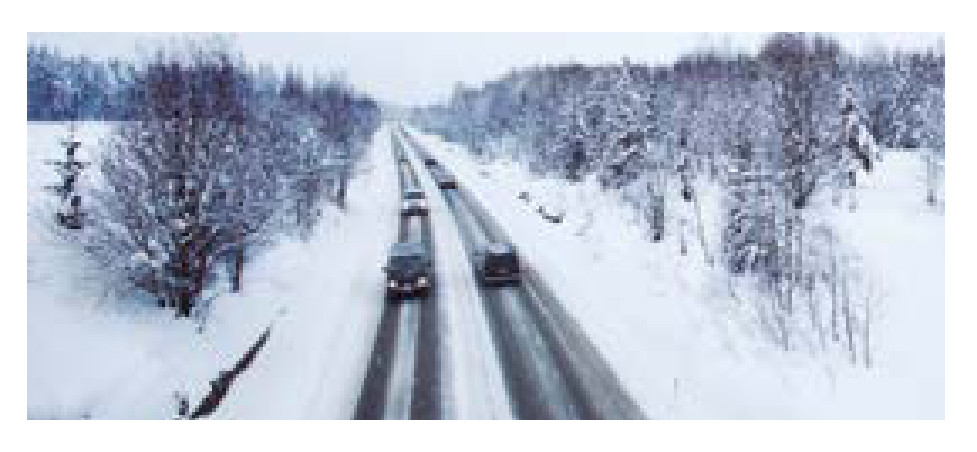 DGTTestO
Max, min and unsuitable speed
Maximum = legal ceiling. Minimum = don’t crawl abnormally. Unsuitable = within the limit but unsafe for weather, road, load or fatigue.
Figure from the official DGT Easy Read manual + TestO schema · not an exam question
Official theory · Easy Read · Velocidad y distancias · §tema-10-tipos
 DGTTestO
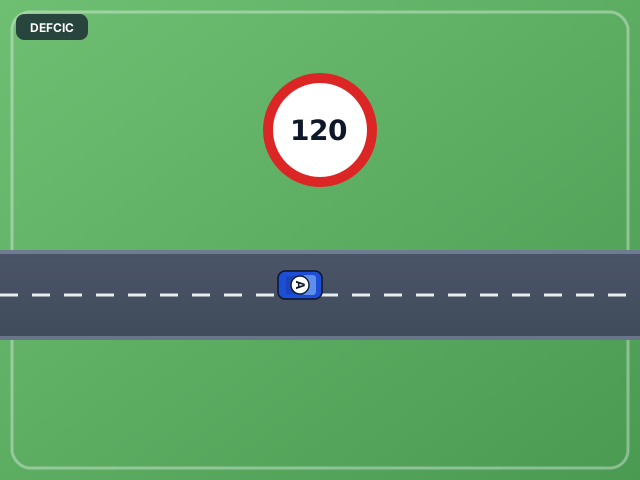
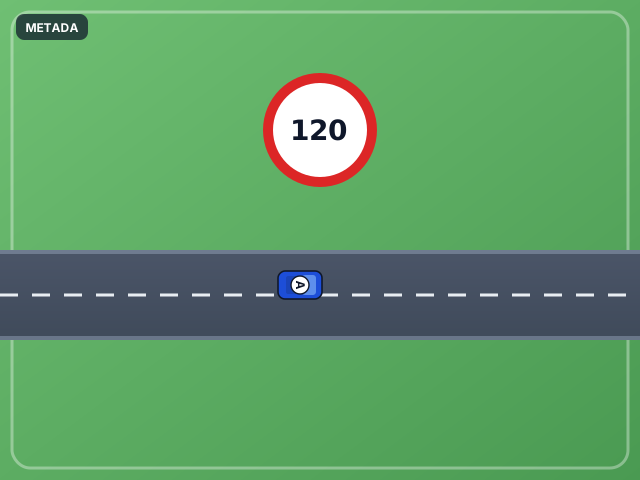
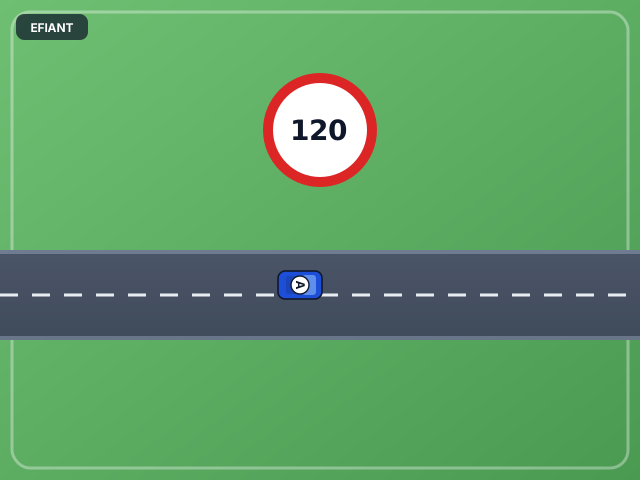
Generic limits (car)
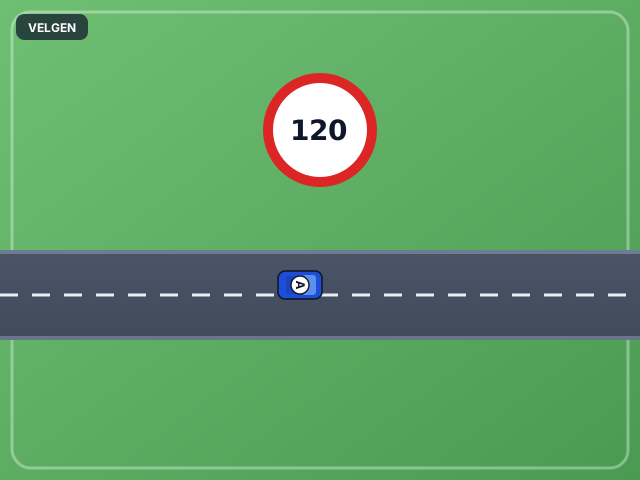
Motorway: 120 (min 60). Conventional road: 90 (sometimes 100). School/dangerous goods: −10 km/h vs that vehicle’s generic limit.
Figure from the official DGT Easy Read manual + TestO schema · not an exam question
Official theory · Easy Read · Velocidad y distancias · §tema-10-generica
 DGTTestO
When to go very slow
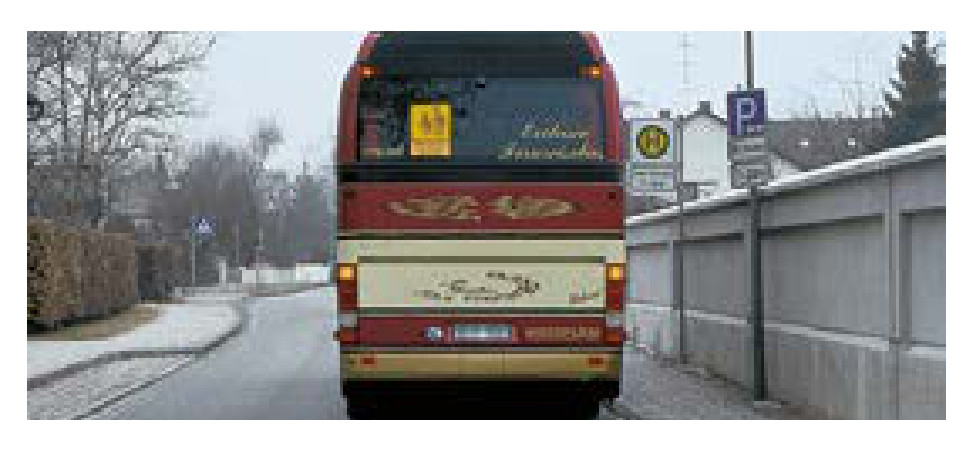
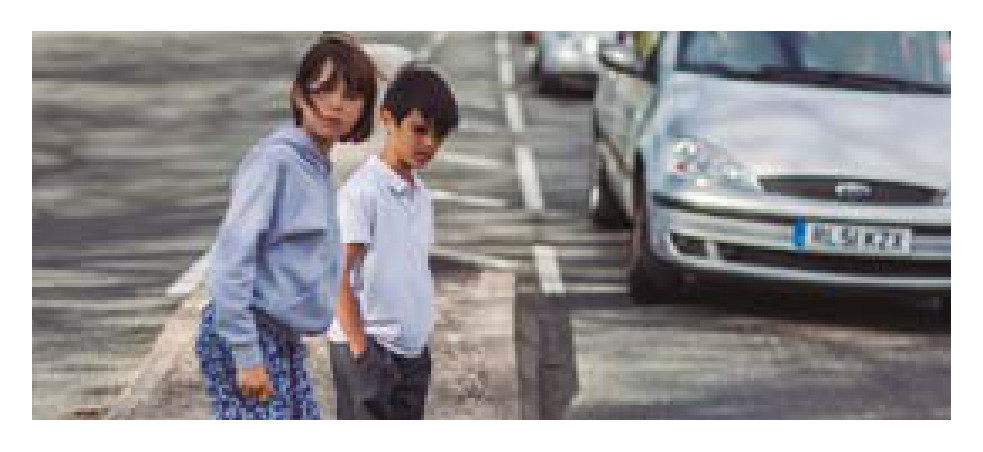
Pedestrians (children, elderly…), cyclists, unsigned crossings, schools, animals, stopped buses (esp. school), poor grip, fog/rain, dazzle. Toward level crossing/roundabout/no-priority junction: max 50.
Figure from the official DGT Easy Read manual + TestO schema · not an exam question
Official theory · Easy Read · Velocidad y distancias · §tema-10-lenta
Pedestrians & cyclists6 cards
Practice topic →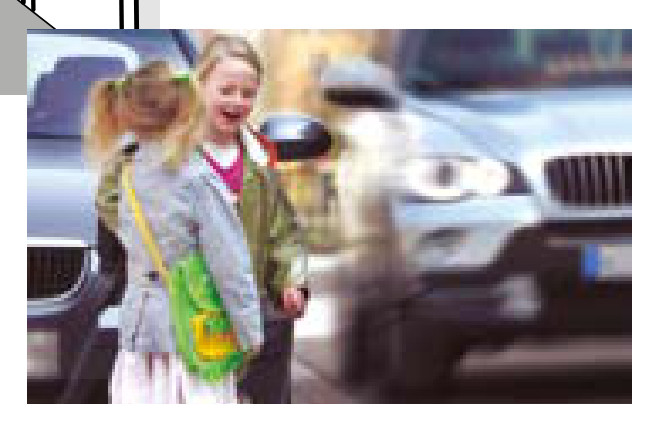 DGTTestO
Pedestrians outside towns
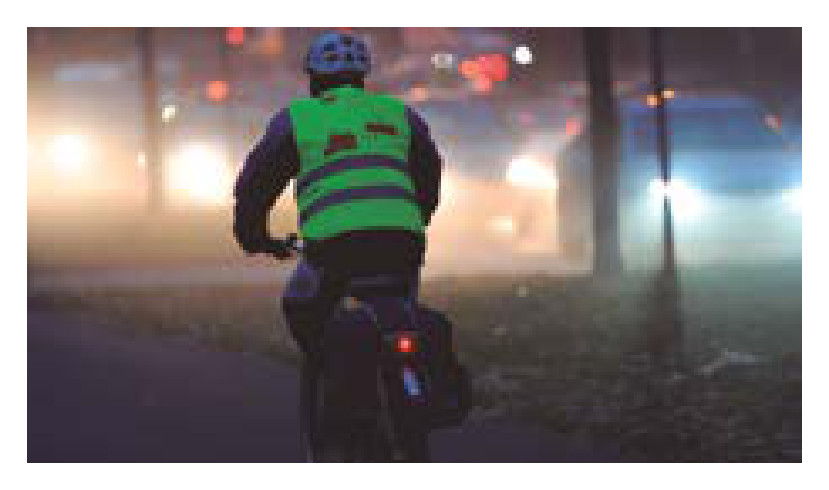
Walk on the left unless the right is safer. At night: reflective gear visible at 150 m. Groups in single file: white/yellow light in front, red at the back.
Figure from the official DGT Easy Read manual + TestO schema · not an exam question
Official theory · Easy Read · Obligaciones de conductores y peatones · §tema-04-peatones
 DGTTestO
Pedestrians in town
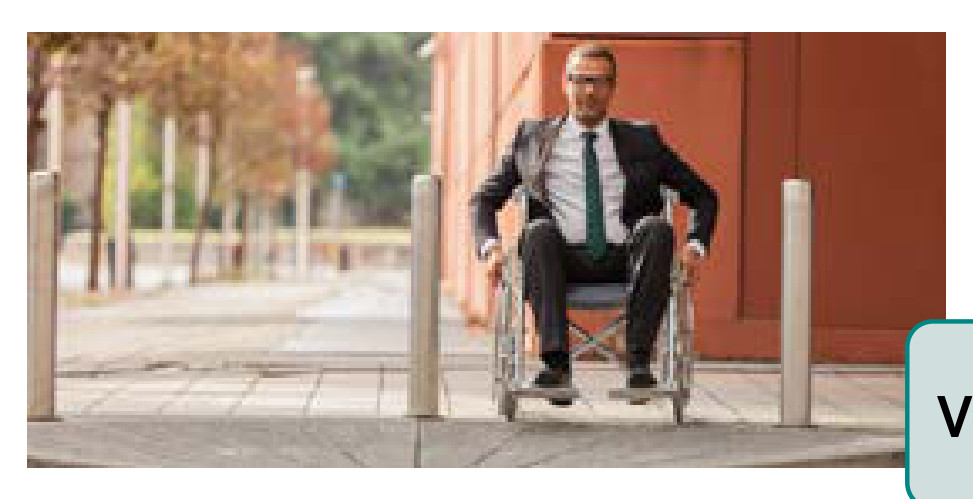
Use the pavement. Cross straight at the crossing; make sure cars stop. Go around roundabouts, don’t cut through. Pushing a bike/moped or wheelchair: keep to the right.
Figure from the official DGT Easy Read manual + TestO schema · not an exam question
Official theory · Easy Read · Obligaciones de conductores y peatones · §tema-04-peatones
E-scooters (1 Oct 2026)
Minimum age 15. Helmet required. Vest at night or in poor visibility (delivery riders: always). Banned: pavements, tunnels, through-roads, motorways. Outside towns only cycle/segregated paths. Daytime lights: 1 Oct 2027. No headphones/phone/passengers; alcohol rules like drivers.
TestO study schema · based on the Easy Read manual
Official theory · Easy Read · Obligaciones de conductores y peatones · §tema-04-vmp
 DGTTestO
Driver duties toward others
Extra care for vulnerable pedestrians. No headphones (except approved motorcycle GPS helmet audio), no handheld phone, don’t open doors blindly, don’t refuel with engine/lights/radio on.
Figure from the official DGT Easy Read manual + TestO schema · not an exam question
Official theory · Easy Read · Obligaciones de conductores y peatones · §tema-04-conductores
E-scooters / VMP (1 Oct 2026)
Minimum age 15. Helmet required. Reflective vest at night or in poor visibility (delivery riders: always). No pavements. Outside towns only on cycle/segregated paths. Daytime lights: from 1 Oct 2027.
Official theory · Easy Read · Obligaciones de conductores y peatones · §rgc-518-2026-vmp
Bicycle: helmet and town (1 Oct 2026)
On interurban roads every cyclist must wear a helmet (exemptions removed). In town: ride in the centre of the lane where possible; motor vehicles must leave 5 m behind a cyclist ahead. One-lane 30 km/h streets may allow two-way cycling if authorised.
Official theory · Easy Read · Obligaciones de conductores y peatones · §rgc-518-2026-bici
Active & passive safety3 cards
Practice topic →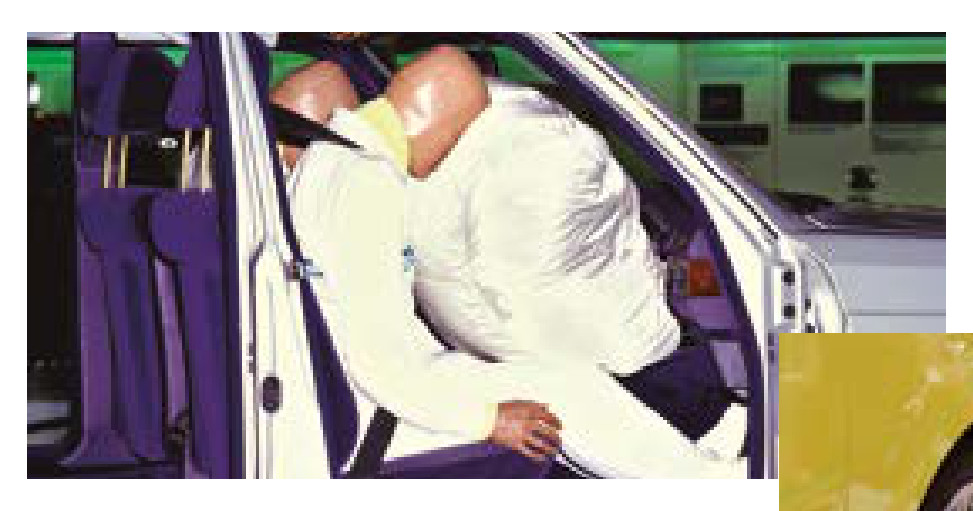 DGTTestO
Active vs passive safety
Active: prevents the crash (brakes, lights, tyres) — you use them. Passive: reduces injury (belt, airbag, headrest) — works automatically.
Figure from the official DGT Easy Read manual + TestO schema · not an exam question
Official theory · Easy Read · Dispositivos de seguridad en el vehículo · §tema-05-seguridad
Motorcycles and mopeds (1 Oct 2026)
Protective gloves on interurban roads. Closed shoes on every road. In a signed jam they may use the right shoulder at ≤30 km/h. Approved (not merely certified) moped helmet: 1 Oct 2027. Delivery riders: helmet and vest always.
Official theory · Easy Read · Dispositivos de seguridad en el vehículo · §rgc-518-2026-moto
Seat belt and pedestrian lights (1 Oct 2026)
Exemptions go: taxis, goods vehicles and driving-school cars must wear the belt. Exception: urgent care in an ambulance patient bay. At signalled crossings, flashing amber for vehicles should not coincide with a steady pedestrian green. On shared-space streets, pedestrians have priority.
Official theory · Easy Read · Dispositivos de seguridad en el vehículo · §rgc-518-2026-cinturon
Daily plan (21 days)
…